English
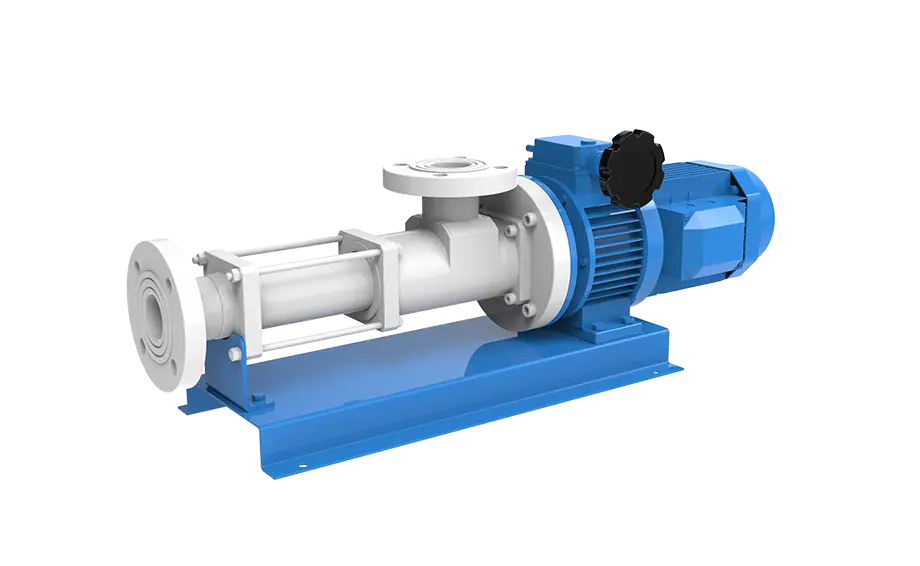
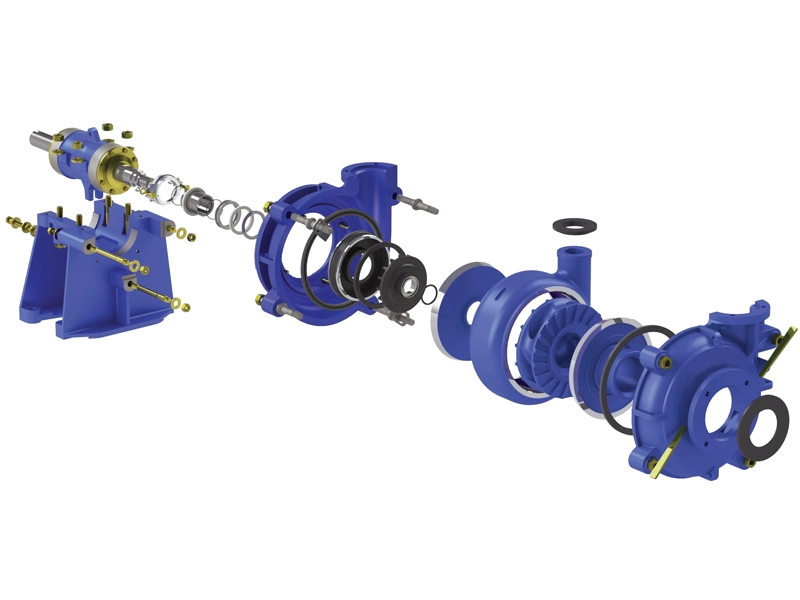
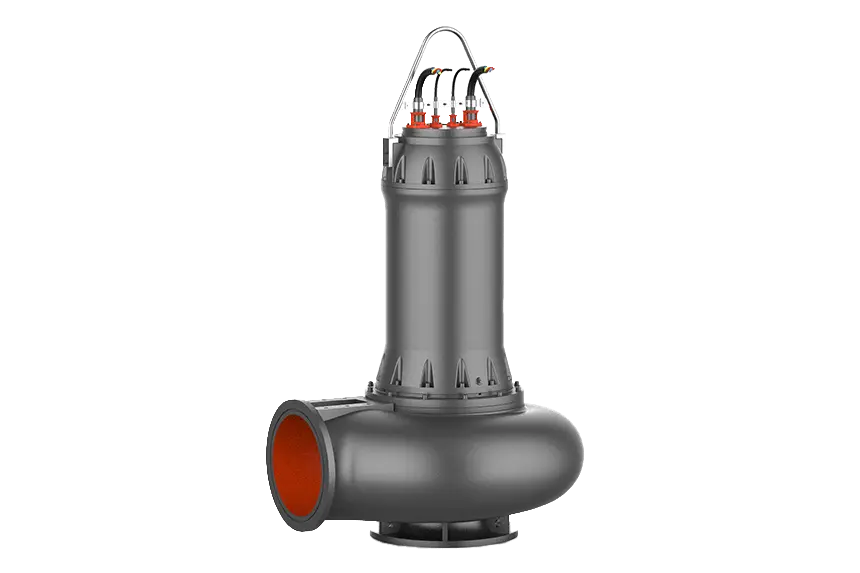
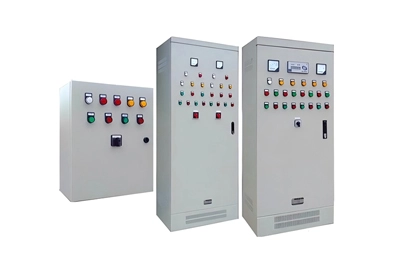
Ever faced the frustrating challenge of a water source lying deep down, where your standard centrifugal pump just can't reach? Or struggled with the hassle and risk of having to install a pump perilously low just to get it to work?
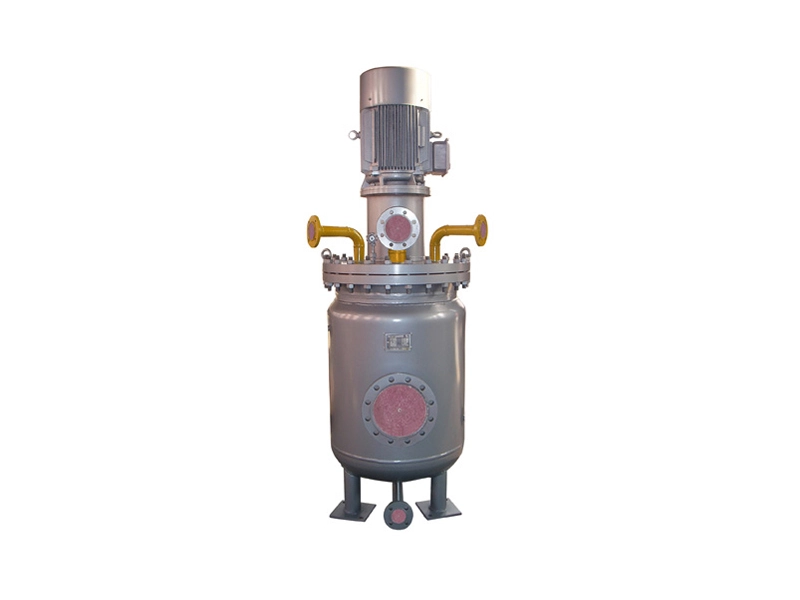
If these scenarios sound familiar, then the Fully Automatic Vacuum-Assisted Self-Priming System (commonly known as a Self-Priming Pump) is your ideal solution. Think of it as giving your main pump a powerful "pre-lung" that handles the "deep breath," sucking the water up before handing it over to the main pump for "pressurized delivery."
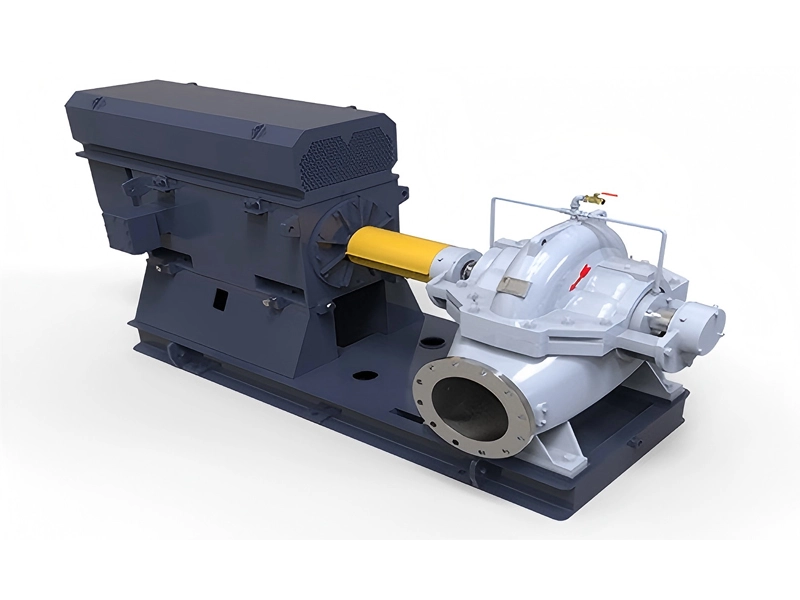
It's a classic physics problem, such as the single stage end suction centrifugal pump, Standard centrifugal pumps work by using an impeller to create centrifugal force, which throws water out, thereby creating a vacuum (a low-pressure area) at the pump's inlet. Atmospheric pressure then pushes water into the pump.
However, this "vacuum" has its limits. Due to factors like pump seal integrity, fluid friction, and the vapor pressure of the liquid, the practical maximum suction lift for a standard centrifugal pump is typically only 6-7 meters. Beyond this height, the pump cannot draw water effectively and may experience cavitation, which can cause severe damage.
The core idea isn't to defy physics but to cleverly create a "pre-evacuated" environment for the main pump.
Imagine this: Before the main centrifugal pump starts, a "special ops team" is sent in to remove all the air from the pump and suction pipe, filling it with water. This allows the main pump to start pumping water immediately, not air, making it highly efficient.
Its Fully Automatic Workflow:
1.Start Signal: You press start. The vacuum-assist system activates first; the main pump remains off.
2.Vacuum Phase: An integrated vacuum pump or ejector mechanism operates at high speed, violently extracting air from the pump casing and suction line, creating a high vacuum.
3.Water Follows: Atmospheric pressure forces water from the source into the vacuum-filled pipe. The water column rises rapidly until it completely fills the pump casing.
4.Auto-Switch: A level or pressure sensor detects the now water-filled casing and signals the control system. The system instantly shuts down the vacuum assist and simultaneously starts the main centrifugal pump.
5.Normal Operation: The main pump now operates at peak efficiency in a "flooded suction" state, pumping water to the discharge side. The entire process is hands-free and fully automated.
1.Significantly Increased Suction Lift: Effortlessly extends suction lift from 6-7m to 9m or even higher, vastly expanding application possibilities.
2.True Full Automation: Integrated intelligent control system handles priming, switching, and stopping. Simple operation saves time and labor.
3.Main Pump Protection: Prevents the main pump from running dry, effectively avoiding cavitation and mechanical seal damage, thereby extending its service life.
4.Flexible Installation: The main pump can be installed at ground level or on a platform for easy maintenance, reducing installation complexity and civil costs—no need for it to be at the lowest point.
5.High Efficiency & Energy Saving: The low-power vacuum pump runs only briefly during startup, consuming minimal energy. The main pump operates in its best efficiency zone, making the whole system highly efficient.
This system is essential wherever water needs to be drawn from deep wells, rivers, reservoirs, or other sources with low water levels:
Agricultural Deep-Well Irrigation: Solving water pumping challenges caused by dropping groundwater levels.
Firefighting Systems: Ensuring reliable water intake from deep wells or open sources for fire suppression.
Municipal Drainage/Emergency Response: Rapidly dewatering floodwater from low-lying areas during floods.
Industrial Water Supply: Drawing cooling or process water from deep wells or rivers for plant operations.
Ships & Docks: Pumping bilge ballast water or supplying docks with water.
The Fully Automatic Vacuum-Assisted Self-Priming System is a clever and practical engineering solution. By adopting a "vacuum-assist" strategy, it breaks through the suction barrier of traditional centrifugal pumps, enabling deeper, more reliable, and fully automated water intake. If you're battling insufficient suction lift, this system is your powerful ally—truly the "Deep-Breathing Master" of the pump world—truly the "Deep-Breathing Master" of the pump world that meets rigorous api pump standards.