English
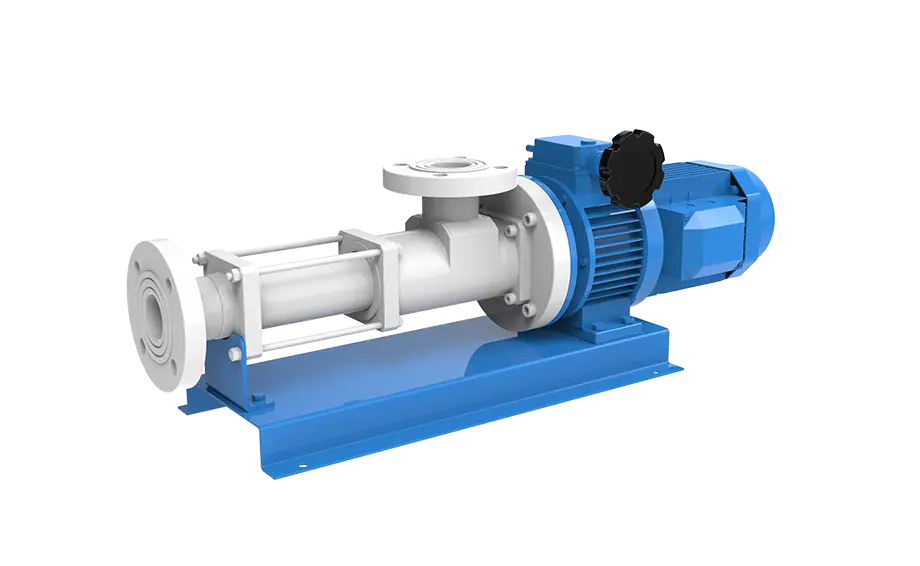
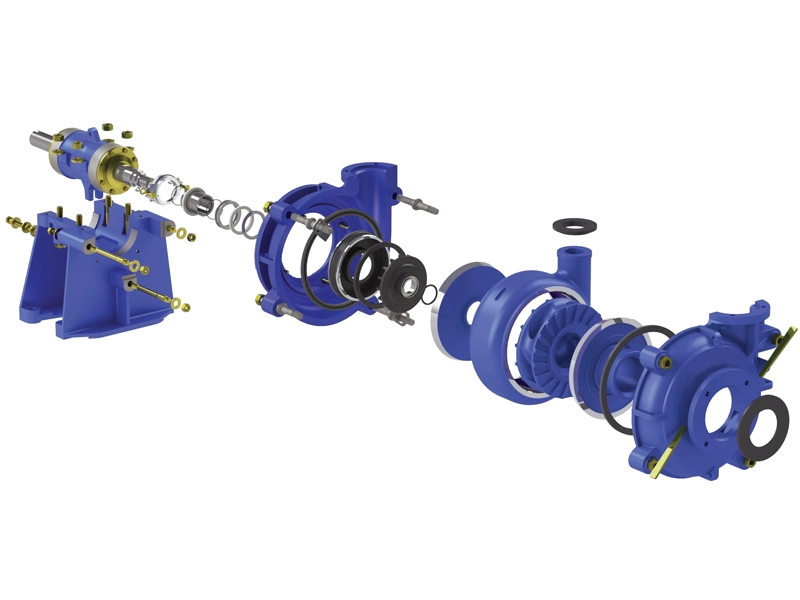
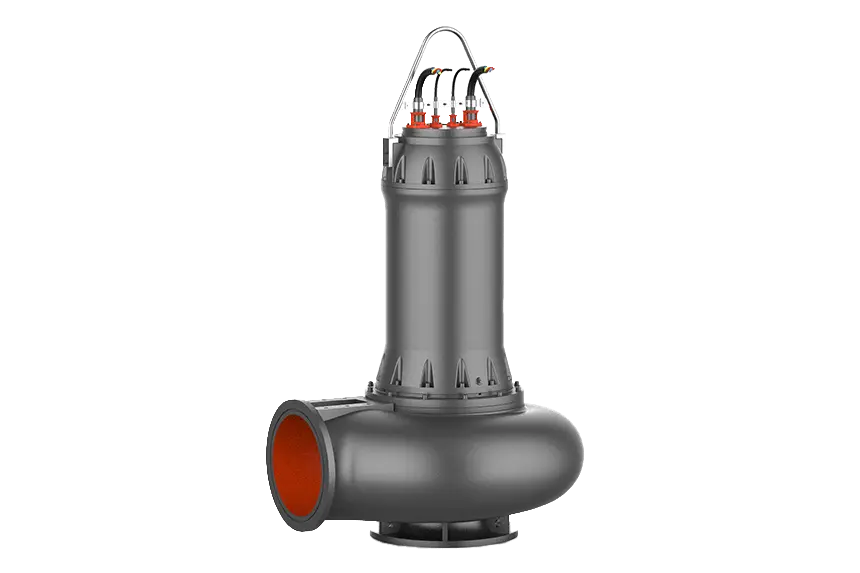
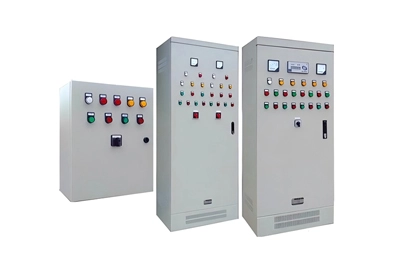
A pump panel board combines power switching, protection and control components so a pumping system can start, stop and respond safely to operating signals. The component set varies with motor power, number of pumps, starting method, sensor inputs, automation logic and installation environment. This article explains the main components of pump control panels, wiring fundamentals, safety functions, troubleshooting checks and upgrade options. It also identifies the configuration factors that influence pump control panel price, helping buyers prepare a more complete technical request before quotation.
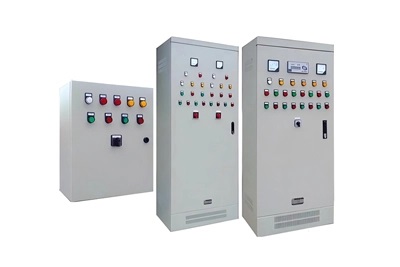
Understanding the integral parts of a pump control panel is fundamental to evaluating the complete panel. The design varies by application, motor rating, starting method and required protection, but the following components are commonly specified:
Component | Function |
Main Disconnect Switch | Ensures the power supply can be cut off for maintenance or emergencies |
Circuit Breakers | Prevent electrical overloads and short circuits |
Control Relays | Manage power to the pump and auxiliary equipment |
Timers | Enable pumps to operate at scheduled intervals |
Pressure Switches | Monitor and manage the operational pressure range |
These components work in tandem to control and protect the pump system, ensuring optimal performance whether it's for a crude oil pump setup or a residential condensate pump application.
Proper wiring is essential for the safe and efficient operation of pump control panels. While wiring can vary depending on whether you are dealing with a boiler feed pump or a more straightforward feed pump, certain basics remain constant. The wiring ensures organized power distribution to various components like circuit breakers and relays.
For instance, a magnetic drive pump might require detailed wiring instructions to accommodate its unique operational needs, involving specific voltage and current requirements. A key tip is always to ensure compatibility between the pump control panel specifications and the pump's electrical characteristics to prevent potential failures.
Additionally, wiring might include connections to auxiliary components like api pumps or chemical transfer pumps, demanding precise routing and secure connections to maintain reliability across the system.
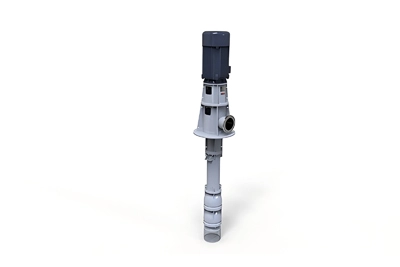
Safety is paramount in any electrical system, and pump control panels come equipped with several safety features to protect both the equipment and operators. The integration of these features can be particularly crucial in systems such as horizontal split case fire pumps or vertical turbine fire pumps, where reliability is non-negotiable.
Feature | Purpose |
Emergency Shut-off | Quickly disables the system in case of an emergency |
Overload Protection | Prevents the system from damage due to excess current |
Thermal Protection | Shuts off the pump to prevent overheating |
Alarm Systems | Alerts operators to potential issues before they escalate |
The integration of these systems ensures operators can safely manage pumps used in various applications, from api 610 standards in oil pump systems to complex slurry pumps in industrial settings.
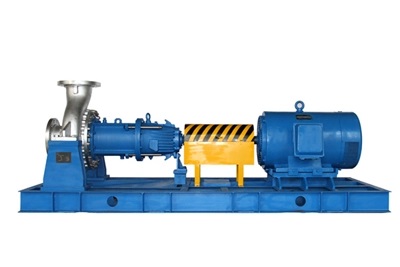
Despite robust designs, pump control systems can encounter issues. Knowing how to troubleshoot your pump control panel can save costly downtime. Common problems include magnetic drive pumps failing to start, or progressing cavity pumps showing erratic behavior.
Start with a visual inspection: look for burned components, unusual smells, or loose wires. For specific issues like a pump panel not delivering power, check the circuit breakers and relays and ensure the main disconnect switch is operational. If a condensation pump or sewage pump isn't performing as expected, it might be a clogged filter or a pressure switch fault.
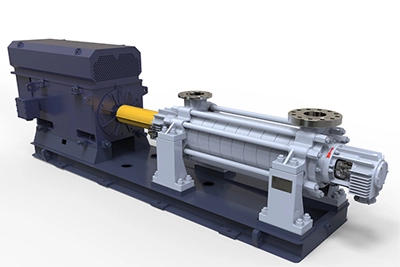
It's beneficial to keep a log of past issues and resolutions, especially for complex systems involving pump control panels for chemical injection pumps or horizontal multistage pumps. Understanding past issues can offer insights and quicker resolutions for future challenges.
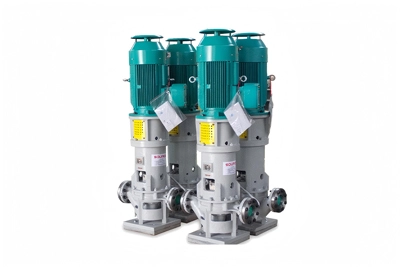
Given the technological advances, upgrading your pump control panels can significantly enhance performance, especially in applications demanding precision like vertical inline pumps or axial flow pumps. Consideration for upgrades might also come from evolving needs or integration with modern industrial pumping systems.
Modern upgrades can include programmable logic controllers (PLCs) for better automation, connectivity for remote monitoring, or integrating sensors for real-time performance data. Systems using twin screw pumps or pc pump variants may particularly benefit from such advancements, allowing for more adaptable and efficient operations.
Furthermore, considering energy-efficient components can be vital for firms focusing on sustainability and reducing operational costs, leveraging controls tailored for eco-friendly electrical pumps or green sewage pumps technology.
Understanding the components and functions of pump control panels provides a foundation for managing and upgrading pumping systems effectively. Whether dealing with residential condensate pumps or more sophisticated water injection pumps, the insights on wiring, safety, troubleshooting, and upgrades can empower operators to maintain optimal performance and safety standards. As technology advances, integrating modern features promises better efficiency and reliability, significantly impacting industries reliant on pumps for critical processes.
For those in need of tailored solutions, whether a simple end suction pump or an intricate magnetic drive centrifugal pump, exploring customizations within control panel configurations can enhance alignment with specific operational demands.