English
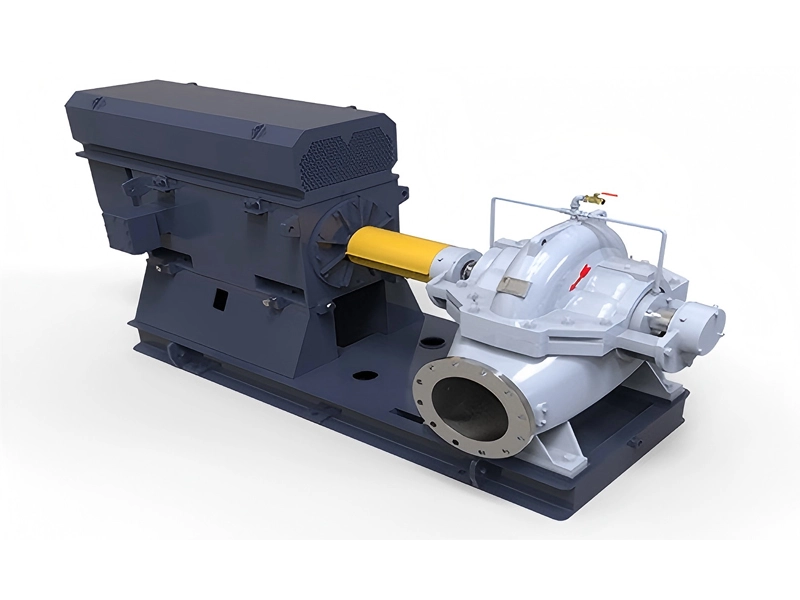
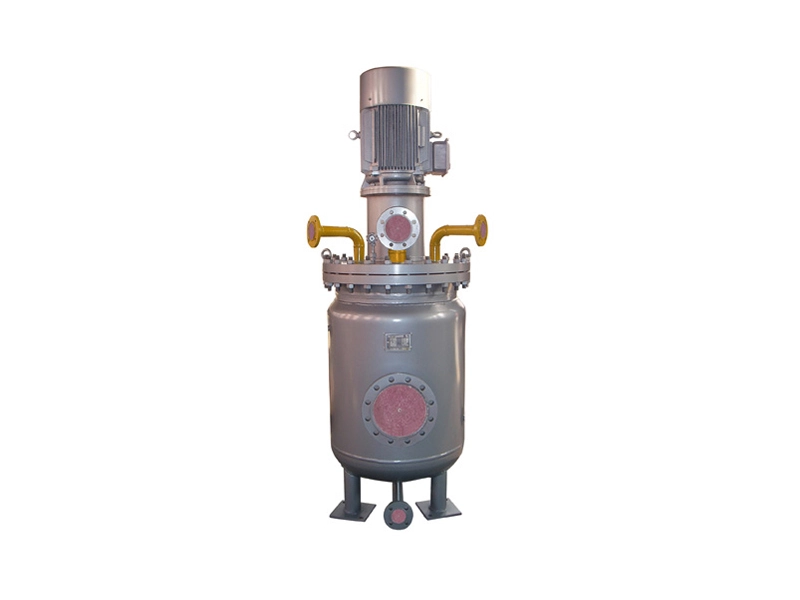
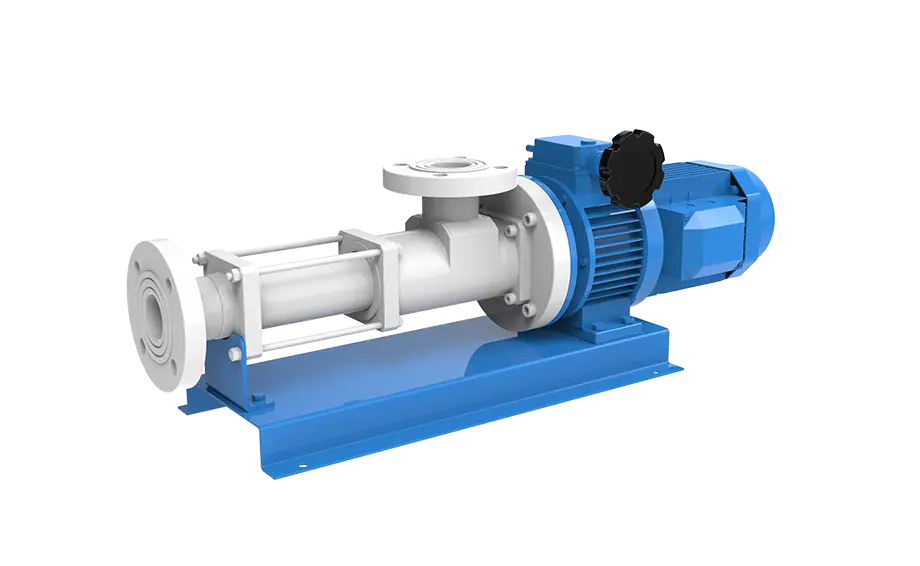
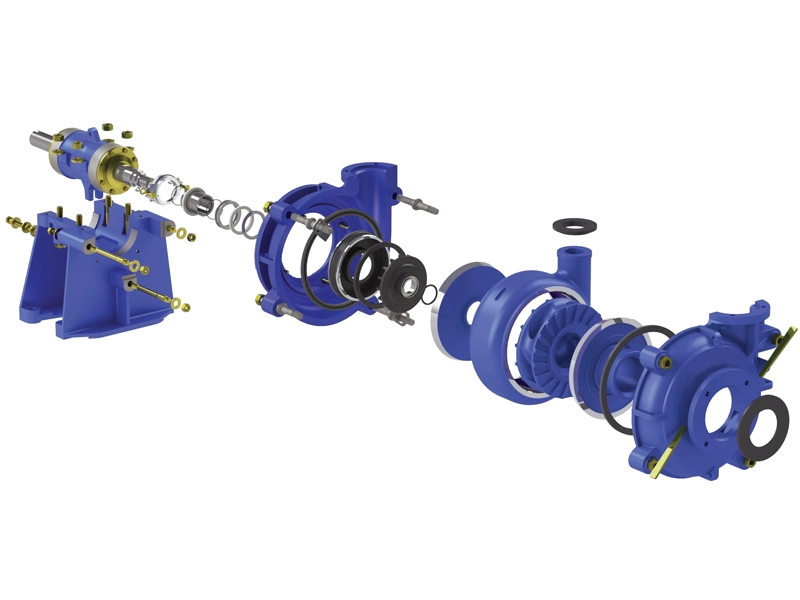
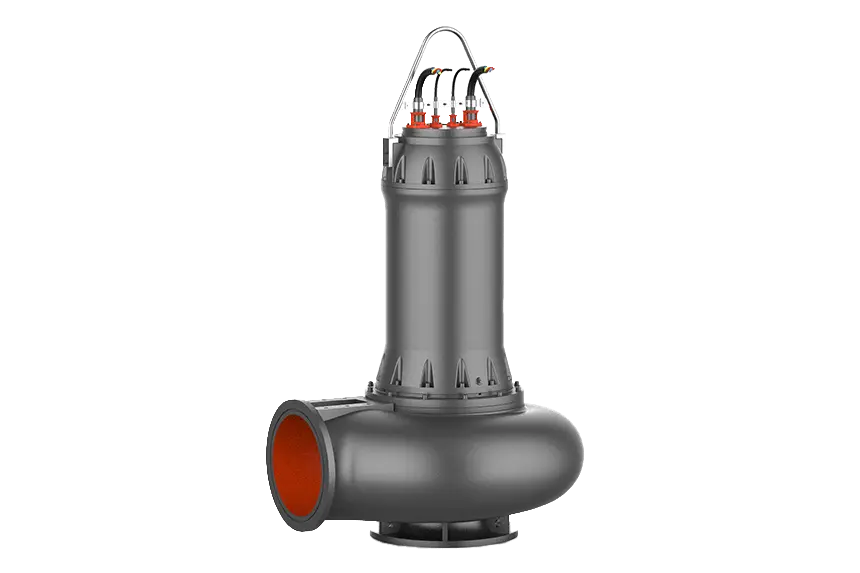
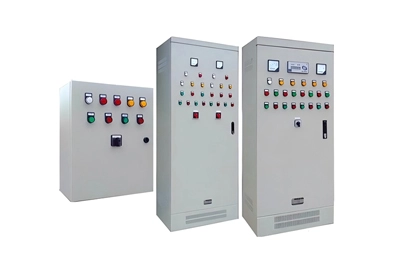
The Pump Control Panel is designed to manage pump starting, stopping, protection and operating signals within an industrial pump control system. Housed in a pump control cabinet, the selected components and enclosure should match the motor rating, supply conditions, control logic, environment and required protection functions. Configured as an intelligent pump control panel, the system can integrate automation and monitoring functions for industrial, agricultural, water-treatment and pump-station applications. The final configuration should be defined from the number of pumps, starting method, sensors, alarms, communication requirements and enclosure conditions.
Starting method of water pump control cabinet
1. Directly start
Directly controlling the water pump with an AC contactor provides a simple circuit, low initial cost and straightforward operation and maintenance. This method is commonly used in a single pump control panel where the power distribution system can tolerate the motor starting current. Because direct-on-line starting can draw approximately 6–8 times rated current, confirm motor size, supply capacity and project requirements before selection.
2. Self coupling voltage reduction startup
Using an autotransformer as a starting device to reduce the starting voltage applied to the stator winding of the motor, and then disconnecting the motor from the autotransformer after the motor is started, its characteristic is to reduce the starting power supply of the equipment, usually 4-6 times the rated current, and reduce the pollution of the power grid. Its characteristic is that the circuit is relatively complex, as illustrated in any comprehensive pump control panel diagram for reduced voltage starting.
3. Soft start voltage reduction cabinet
Soft start, also known as thyristor voltage regulating start, uses the variable conductivity of thyristors to control motors. Its characteristic is that the starting current is small, usually 2-3 times the rated current, and the starting is smooth, contactless, spark free, small in size, light in weight, and generally used for starting motors above 11KW
4. Soft start with bypass
The soft start device is used in the starting process. After the start is completed, the water pump is switched to water pressure operation through a bypass contactor. Its characteristic is that it has the advantages of soft start and extends the service life of soft start. This configuration typically represents a mid-range pump control panel price point, offering enhanced durability without the full cost of variable frequency drives.
5. Soft start suspension connection
Using a soft start as the starting device for multiple water pumps, after the first water pump is started, the soft start is switched through a contactor to exit the start and serve as the starting device for the next equipment. Its characteristic is to reduce the user's equipment investment
6. Variable frequency control cabinet
Using a frequency converter as the starting device, the characteristic is that the starting current increases from small to large, reducing pollution to the power grid, and adjusting the speed of the water pump according to the working conditions to achieve stable flow and constant pressure control
7. Y - △ Start
The motor uses six leads to ensure that the starting current is between direct and autotransformer starting
A reliable pump control system starts with complete electrical and process information. Before quotation, define the following inputs so the starter, protection, enclosure and control logic can be selected correctly.
Number of pumps, motor power, voltage, frequency, full-load current and starting limitations
Required operating mode: duty, standby, alternating, parallel, level control, pressure control or timed operation
Starting method: direct-on-line, reduced-voltage, soft starter or variable-frequency drive
Signals and instruments: level, pressure, flow, temperature, overload, phase failure and emergency stop
Communication and remote-control requirements for the pump station control panel
Indoor or outdoor installation, enclosure protection, ambient temperature, corrosion and hazardous-area requirements
Attach the single-line drawing, I/O list and control narrative when available. If these documents are not ready, a preliminary pump control panel diagram and sequence description can be developed from the confirmed operating logic.
Contact With Us:
E-mail: bo@lubor-pump.com
Have a Questions? Call Us:
Add:
No.901 Shuangsheng Road,Lvshunkou District,Dalian
Please contact Hengchuang for your waste management solutions!