English
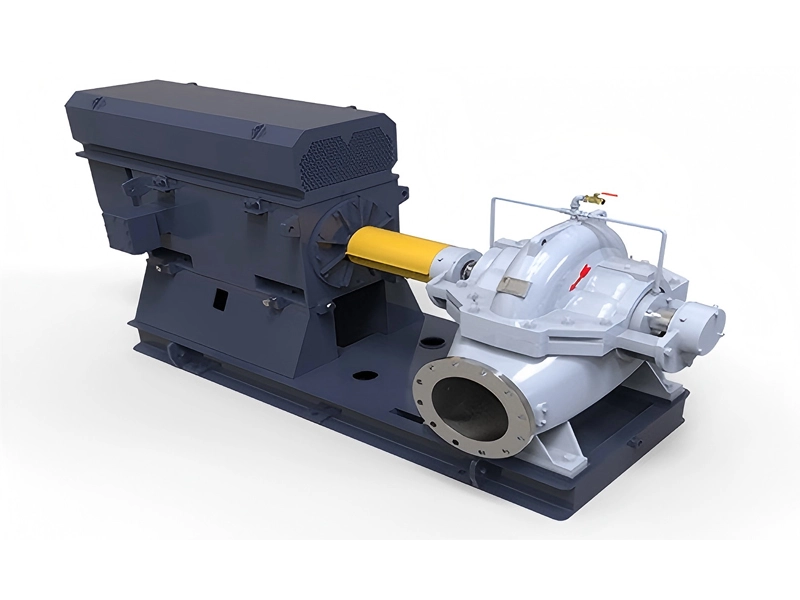
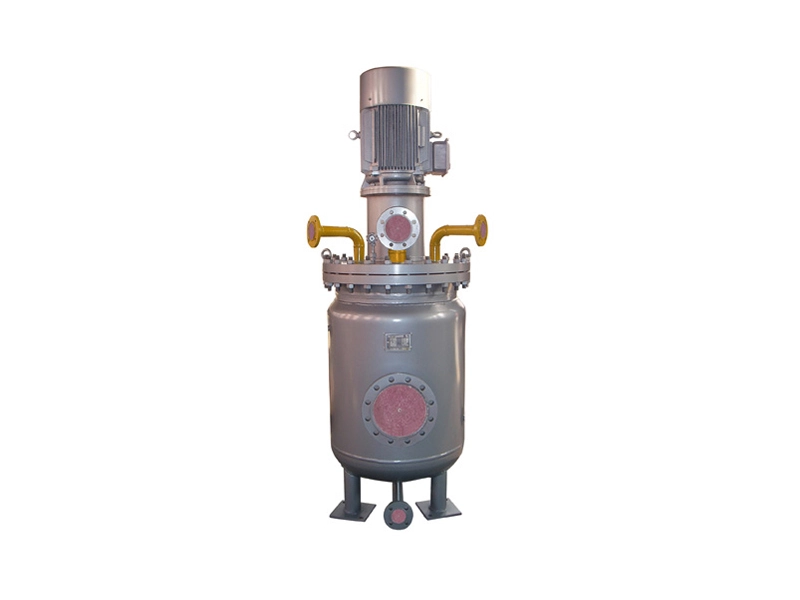
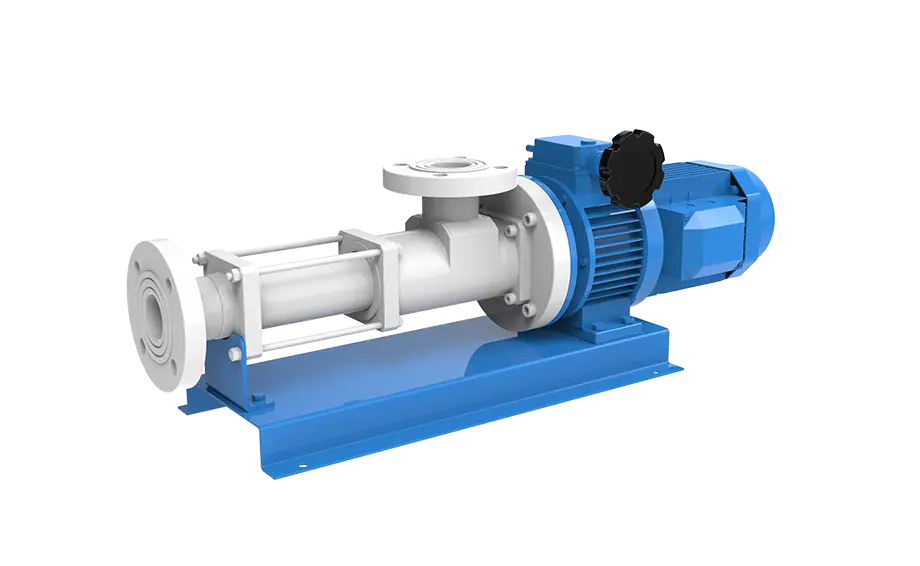
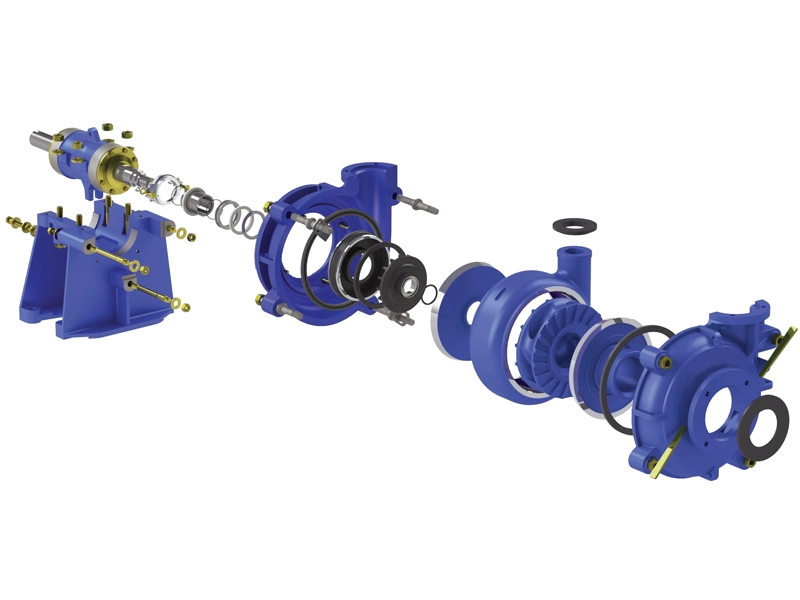
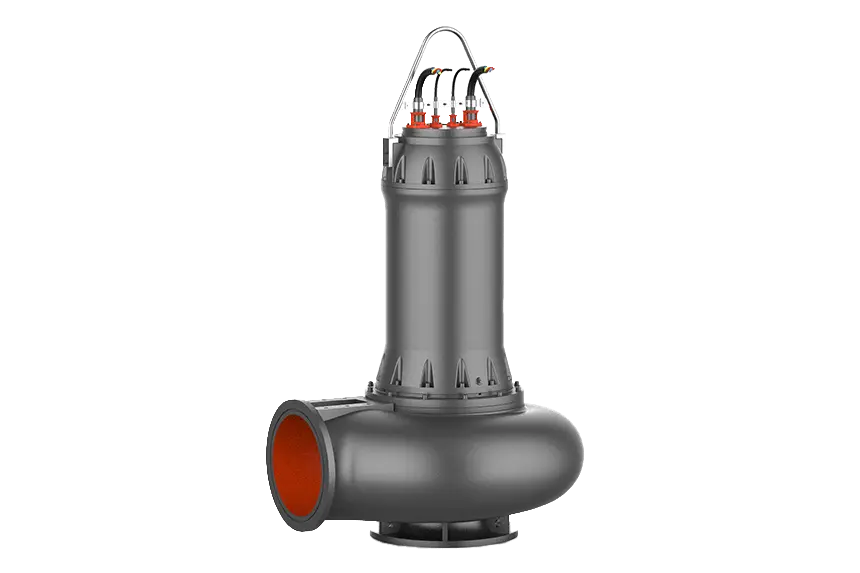
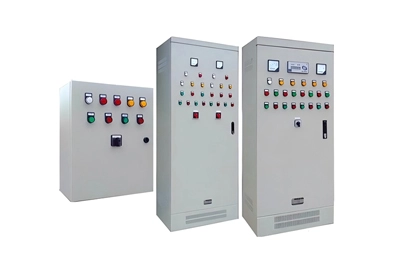
API 685 sealless pumps are centrifugal pumps that transmit power without a conventional rotating shaft passing through a dynamic mechanical seal. They are used when reducing routine leakage paths is especially important, including services involving toxic, flammable, volatile, odorous, environmentally sensitive or high-value liquids. The two principal sealless concepts covered by industry practice are magnetic-drive pumps and canned-motor pumps.
“Sealless” does not mean “risk-free.” Removing the dynamic shaft seal eliminates one common leakage mechanism, but it introduces other engineering questions: containment-shell integrity, internal bearing lubrication, heat generation, dry-running sensitivity, solids tolerance, vapor handling, secondary containment, condition monitoring and maintenance access. A good specification therefore starts with the consequences of failure and the actual process envelope, not with a marketing promise of zero leakage.
This guide presents a risk-based selection method for plant engineers, EPC teams, procurement specialists and maintenance managers. It explains how to decide whether an API 685 configuration is justified, how to compare magnetic-drive and canned-motor options, what information the manufacturer needs, and how LUBOR PUMP can support an engineered selection. All final decisions must be confirmed against the applicable project specification, purchased standard, certified curves and supplier documentation.
API 685 sealless pumps are centrifugal pumps designed for petroleum, petrochemical and gas-industry services in which the pumped liquid is contained without a conventional dynamic shaft seal.
In a magnetic-drive pump, an external magnet assembly is connected to the driver and transmits torque through a containment shell to an internal magnet assembly connected to the pump rotor. The shell maintains the pressure boundary while allowing magnetic coupling. In a canned-motor pump, the motor rotor and pump impeller are integrated within a pressure-containing assembly, and the motor stator is separated from the process fluid by a can.
Both concepts can reduce fugitive-emission risk associated with mechanical seals, but they have different heat paths, bearing arrangements, electrical or magnetic losses, maintenance procedures and solids tolerance. The correct choice depends on the liquid, duty, site skills, failure consequences and supplier experience.
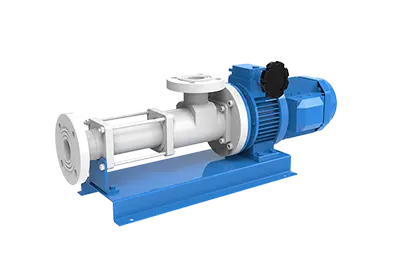
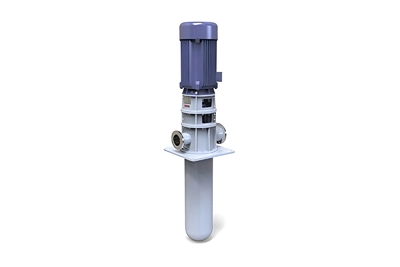
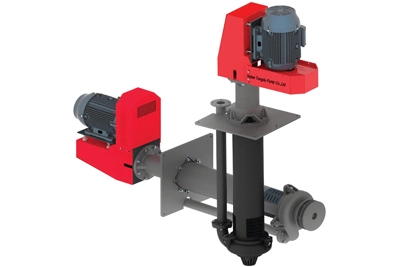
LUBOR focuses its published API 685 portfolio on magnetic-drive configurations, including OH1/OH2, BB4 multistage, VS1/VS4 vertical, OH3 vertical inline and VS6 vertical barrel arrangements. Buyers should treat this portfolio as a starting point for configuration review rather than a substitute for a complete datasheet.
A plant should consider API 685 pumps when the consequences of routine seal leakage, seal-support failure or atmospheric release justify a sealless pressure boundary and the process fluid is compatible with the internal circulation and bearing system.
The strongest cases usually involve hazardous or difficult liquids. Examples include toxic intermediates, volatile organic compounds, carcinogenic or highly odorous chemicals, expensive catalysts, high-purity fluids, environmentally regulated liquids and services where even a small visible leak creates operational disruption.
Sealless selection may also be attractive where seal maintenance dominates downtime. However, replacing a mechanical-seal pump with a magnetic-drive pump without reviewing the system can simply move the failure mode. A sealless pump can be damaged by dry running, inadequate internal circulation, vapor pockets, crystallization, solids, low flow or excessive temperature. The process must support the technology.
A risk review should answer four questions:
What can be released, and what is the consequence to people, environment, product quality and production?
How likely is a mechanical-seal leakage event in the current service?
Can the liquid reliably lubricate and cool the internal bearings and rotor circuit of the proposed sealless pump?
Can the plant detect and respond to abnormal conditions before containment is compromised?
When these questions support a sealless design, the LUBOR api 685 pumps category provides a commercial overview of available configurations. The engineering inquiry should then narrow the choice by service, installation orientation and hydraulic duty.
Risk-based selection means ranking process hazards, failure mechanisms and safeguards before choosing the pump construction, instrumentation and containment level.
| Risk Area | Questions to Ask | Possible Design Response |
|---|---|---|
| Personnel exposure | Is the liquid toxic, corrosive, carcinogenic or capable of causing acute injury? | Sealless design, secondary containment, leak detection, remote isolation and controlled drainage |
| Fire and explosion | Is the fluid flammable, volatile or operated near its boiling condition? | Hazardous-area driver, temperature monitoring, vapor-control review and appropriate containment |
| Environmental release | Would a small leak trigger reporting, cleanup or permit concerns? | Sealless pressure boundary, closed drains, monitoring and documented inspection intervals |
| Process reliability | Does pump failure stop a critical unit or damage product quality? | Duty/standby philosophy, condition monitoring, spares and validated operating envelope |
| Internal bearing damage | Can the fluid provide lubrication and cooling? Are solids or crystals present? | Material and bearing selection, flush or circulation plan, filtration review and dry-run protection |
| Containment-shell overheating | Are viscosity, speed, magnetic losses and heat removal acceptable? | Hydraulic and thermal analysis, appropriate shell material, monitoring and minimum-flow control |
The table is not a complete HAZOP or LOPA. It is a pump-selection screen that connects process risk to package features. The final safeguards must be coordinated with the plant’s process safety, electrical, instrumentation and mechanical standards.
Comparing a magnetic-drive pump with a canned-motor pump requires reviewing torque transmission, motor integration, internal bearings, heat removal, maintainability and site service capability.
| Factor | Magnetic-Drive Pump | Canned-Motor Pump |
|---|---|---|
| Power transmission | Torque passes through a containment shell by magnetic coupling | Motor rotor and pump are integrated inside the pressure boundary |
| Motor service | Conventional external motor can often be serviced separately | Motor is integral to the pump assembly |
| Heat sources | Magnetic and eddy-current losses plus hydraulic heat | Motor electrical losses plus hydraulic heat |
| Internal bearings | Process-lubricated bearings are common | Process-lubricated bearings are common |
| Dry-run sensitivity | Usually high; bearing and shell temperature can rise quickly | Usually high; bearings and motor cooling may be affected |
| Maintenance approach | Pump wet end and external motor can be handled as separate assemblies in many designs | Specialized integral-motor maintenance may be required |
| Best fit | Broad chemical and process duties when magnetic coupling and external motor are preferred | Compact hermetic service where the plant supports canned-motor technology |
Neither design is universally superior. The magnetic-drive option may fit plants that prefer standard external motors and modular wet-end maintenance. Canned-motor pumps can offer compactness and a fully integrated package. Supplier references in comparable fluid, temperature, pressure and operating mode are more valuable than generic claims.
A magnetic drive centrifugal pump works by using coupled inner and outer magnets to rotate the impeller through a stationary containment shell without a shaft seal crossing the pressure boundary.
The driver rotates the outer magnet carrier. Magnetic attraction and repulsion transmit torque to the inner magnet carrier, which is connected to the pump shaft or impeller. The containment shell separates the pumped liquid from the atmosphere. Internal flow paths circulate process liquid through bearings and around the rotor area to remove heat and provide lubrication.
This operating principle explains both the advantage and the sensitivity. The dynamic seal path is removed, but the pump depends on stable internal circulation. If the liquid vaporizes, becomes too viscous, crystallizes, carries abrasive solids or disappears during dry running, the internal bearings and containment area can overheat.
For a horizontal overhung application, LUBOR’s magnetic drive centrifugal pump page is a relevant product destination. The final magnetic coupling, containment-shell material, bearing material and circulation arrangement must be matched to the process data.
Thermal control in an API 685 pump is the management of hydraulic, magnetic, electrical and frictional heat so that the liquid, bearings, magnets and containment components remain within safe operating limits.
Magnetic-drive pumps can generate eddy-current losses in metallic containment shells. The magnitude depends on shell material, thickness, magnetic field, speed and design. Nonmetallic or low-loss shell technologies may reduce these losses in suitable services, but pressure, temperature, permeation, mechanical strength and chemical compatibility must be evaluated.
Internal recirculation removes heat, but recirculation also adds to the required hydraulic balance. If the fluid has a narrow margin to boiling, heat input can cause flashing in the internal passages. A process that appears safely subcooled at the suction flange may approach vaporization near the bearings or containment shell if pressure drops and temperature rises.
The inquiry should include vapor pressure at operating temperature, minimum suction pressure, minimum flow, startup temperature and any heat tracing or jacket requirements. Ask the supplier to identify the internal circulation route and the conditions that could interrupt it.
Temperature monitoring can provide early warning. Depending on design and project standards, instruments may monitor containment-shell temperature, bearing area temperature, motor current, power, vibration, flow or differential pressure. Monitoring should be linked to practical alarm and trip actions rather than installed only for display.
Dry running is operation without enough liquid to lubricate and cool the internal components, and it is one of the most important failure risks for many sealless pumps.
Dry running can occur during startup, tank depletion, blocked suction, vapor lock, loss of prime, control failure or a closed valve. Because the pump may continue to rotate, bearing and containment temperatures can rise rapidly. The acceptable duration, if any, depends on the design and should never be assumed.
Gas entrainment can create similar problems. A small amount of dissolved or entrained gas may be manageable, but persistent vapor pockets can interrupt internal flow and reduce hydraulic performance. Fluids near their boiling point require careful NPSH and thermal analysis.
Minimum-flow protection is therefore both a hydraulic and thermal safeguard. The recycle flow must account for pump stability and internal cooling. A fixed orifice may work for one operating range, while a controlled bypass may be necessary for variable-speed or variable-pressure service.
Instrumentation options include suction pressure, discharge pressure, flow, motor power, bearing or shell temperature and tank level. A low-power trip can detect loss of liquid in some services, but it must be tuned to the actual load pattern. No single instrument protects every failure mode.
Solids, crystallization and viscosity determine whether the internal bearing clearances and recirculation passages of a sealless pump can remain clean, lubricated and cooled.
Abrasive particles can wear process-lubricated bearings and close-clearance components. Fibers or larger particles can block internal passages. Crystals can form during cooling, pressure change, evaporation or shutdown. Polymerizing liquids may harden in stagnant areas. These risks must be discussed before a magnetic-drive pump is selected.
Possible responses include upstream filtration, external flush, heating, cooling, modified circulation paths, alternative bearing materials, larger clearances or a different pump technology. Each response has consequences. Filtration adds pressure loss and maintenance. External flush changes product purity and utility demand. Larger clearances may affect efficiency or stability.
High viscosity reduces centrifugal-pump performance and increases power. It can also reduce internal circulation and heat removal. The manufacturer needs viscosity at minimum, normal and maximum temperature, not a single room-temperature value. If viscosity varies widely, a positive-displacement pump may be more suitable.
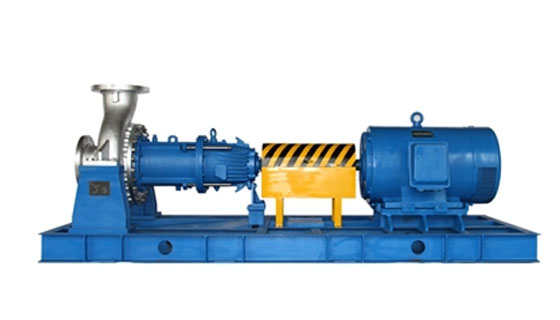
Material selection for API 685 sealless pumps means matching all wetted, pressure-containing, bearing and containment components to chemical compatibility, temperature, pressure and expected degradation mechanisms.
The casing and impeller materials may be similar to those used in sealed process pumps, but the containment shell and internal bearings require additional attention. Metallic shells must resist corrosion and pressure while controlling magnetic losses. Nonmetallic shells must be checked for mechanical strength, temperature, permeation and chemical attack.
Bearing materials may include carbon, silicon carbide, tungsten carbide or engineered combinations. Hard materials can provide wear resistance but may be brittle or sensitive to thermal shock. Material pairing must consider lubrication quality, solids, startup and differential expansion.
Provide trace contaminants, water content, cleaning chemicals and upset compositions. A fluid that is compatible with the casing may attack an internal bearing binder, O-ring or containment material. Ask for a complete wetted-material list, not only a casing grade.
Comparing API 685 pumps with API 610 pumps means balancing containment strategy, service risk, maintenance, hydraulic duty and lifecycle cost rather than treating one standard as a universal upgrade.
API 610 addresses centrifugal pumps used in petroleum, petrochemical and natural-gas process services and includes overhung, between-bearings and vertically suspended types. API 610 12th Edition was published in January 2021. API 685 focuses on sealless centrifugal pumps for related process services.
An API 610 pump with a properly selected mechanical seal can be reliable and maintainable for many services. Mechanical seals are familiar to most plants, can tolerate a wide range of duties and provide visible wear components. Seal-support systems can manage pressure, temperature and emissions, but they add piping, utilities, instrumentation and maintenance.
An API 685 design removes the dynamic shaft seal and can substantially reduce routine seal-leakage concerns. It may also reduce seal-support utilities. In exchange, the plant must manage internal bearings, thermal balance, dry-run risk and containment monitoring.
Use the LUBOR api 610 pump portfolio when the process is better served by a conventional centrifugal design or when the hydraulic duty requires an API 610 configuration not available in the selected sealless range. The specification should allow a reasoned comparison rather than forcing one technology before the process has been reviewed.
Lifecycle cost for API 685 pumps includes purchase, energy, maintenance, downtime, monitoring, utilities, spares and the financial consequence of leakage or lost production.
Initial price is only one component. Sealless pumps may cost more than a basic sealed pump, but they can avoid seal systems, seal replacement, emissions management and some leak-related downtime. They may also require specialized bearings, containment components, monitoring and trained maintenance.
Energy must be compared at the real operating points. Magnetic or electrical losses can reduce efficiency relative to a conventional pump in some configurations. Conversely, eliminating seal-support utilities or selecting a better-matched hydraulic can offset part of the difference. The U.S. Department of Energy has reported that pump systems account for about 25% of industrial motor energy use, so operating-point efficiency deserves attention.
A practical lifecycle comparison should include:
Annual operating hours and electricity cost
Efficiency at normal and alternate operating points
Seal-support or cooling utilities
Expected maintenance tasks and intervals
Critical spare assemblies and lead time
Cost of a process leak or environmental event
Production loss during repair
Training and special tooling
Price comparisons should use aligned scope. One supplier may include secondary containment, temperature sensors, a baseplate and a complete test package while another quotes only the bare pump. Ask each bidder to separate mandatory, recommended and optional items.
Instrumentation and protective logic detect abnormal operation early enough to prevent bearing damage, overheating, containment loss or process interruption.
Useful measurements may include suction and discharge pressure, differential pressure, flow, motor power, current, vibration, containment-shell temperature, bearing-area temperature, tank level and leak detection in a secondary containment space. The correct set depends on the pump and risk assessment.
Motor power can indicate loss of load or internal drag. Temperature can indicate loss of cooling, dry running or blocked circulation. Vibration can identify hydraulic instability or mechanical deterioration. Pressure and flow verify that the pump is operating within the intended envelope.
Alarm and trip settings should be based on tested baseline values and supplier recommendations. A generic temperature or vibration limit copied from another pump may cause nuisance trips or fail to protect the equipment. During commissioning, the plant should record stable values at several operating points and update condition-monitoring rules.
Testing and documentation demonstrate that the sealless pump meets the agreed hydraulic, mechanical, containment and instrumentation requirements before it enters hazardous service.
The inquiry should specify performance testing, mechanical running, vibration, bearing or shell temperature monitoring, pressure testing, material verification and any containment tests required by the project. If secondary containment is included, define the test pressure, detection method and acceptance criteria.
Ask the supplier to document the internal circulation path, minimum-flow requirement, prohibited operating conditions, startup procedure, shutdown procedure and dry-run limitations. Maintenance manuals should explain how to inspect bearings, magnets, containment components and clearances.
Certified curves must cover the expected operating range. The buyer should verify absorbed power, NPSHR, minimum continuous flow and the effect of viscosity or density. For variable-speed service, request curves or validated data at the relevant speeds.
The final dossier should include drawings, datasheets, material records, test reports, manuals, spare-parts lists and preservation instructions. For critical service, an agreed inspection and test plan helps prevent late disputes.
An API 685 pump RFQ is a complete process-and-risk description that allows the supplier to select hydraulics, materials, bearings, containment, monitoring and auxiliaries on a comparable basis.
Process data: fluid name, full composition, concentration, density, viscosity, vapor pressure, solids, gases, toxicity, flammability and environmental classification.
Operating cases: minimum, normal, rated and maximum flow; head; suction pressure; discharge pressure; temperature; startup and shutdown conditions.
Hazard information: exposure consequences, allowable leakage philosophy, hazardous-area classification, closed-drain requirements and emergency isolation.
Hydraulic constraints: NPSHA, system curve, minimum-flow philosophy, parallel operation, variable speed and future capacity.
Mechanical requirements: orientation, materials, bearing preferences, containment type, baseplate, coupling, motor and nozzle requirements.
Monitoring: temperatures, vibration, power, leak detection, alarms, trips and communication protocol.
Testing: hydraulic points, mechanical run, thermal data, vibration, pressure tests, witness points and documentation.
Commercial scope: spares, commissioning, training, preservation, warranty and delivery.
Ask suppliers to identify all assumptions. A useful proposal should state the selected pump type, speed, impeller, containment-shell material, internal bearing material, circulation method, minimum flow, prohibited operating conditions, driver power and monitoring recommendations.
LUBOR PUMP supports API 685 applications by offering multiple magnetic-drive configurations and reviewing the hydraulic and process risks before model selection.
The company publishes horizontal overhung, multistage, vertical inline and vertical suspended magnetic-drive options. This range allows an engineer to consider installation geometry and hydraulic duty rather than treating every sealless service as the same pump.
LUBOR states that its industrial pump history dates to 1958 and that API 610 production began in 1995. For an API 685 inquiry, the most valuable next step is not a generic price request. It is a technical review of the datasheet, fluid behavior, containment expectations and operating safeguards.
A strong proposal should clearly distinguish standard features from project options and explain the limitations. This transparency helps procurement teams compare total scope and helps plant teams prepare the correct controls, spares and operating procedures.
The following FAQs address common specification and purchasing questions about API 685 sealless pumps.
No. Sealless designs remove the conventional dynamic shaft seal and therefore eliminate one common leakage path. The pump still has pressure-containing joints, a containment shell or can, connections and other components that can fail. Secondary containment, monitoring, inspection and correct operation remain important.
They can handle limited solids only when the design, bearing materials and internal passages are specifically suitable. Abrasive or crystallizing solids can damage bearings and block circulation. The particle size, concentration, hardness and behavior during shutdown must be disclosed to the supplier.
Many process-lubricated sealless pumps have very limited dry-run tolerance. Running without liquid can rapidly overheat bearings and containment components. Never assume dry-run capability. Ask the manufacturer for the exact limitation and provide protective logic.
The initial package price is often higher than a basic sealed pump, but total cost depends on seal systems, maintenance, emissions control, downtime, energy, monitoring and leakage consequences. Compare lifecycle cost with equivalent scope and service risk.
Critical data includes the complete fluid composition, viscosity, vapor pressure, temperature range, solids, suction pressure, NPSHA, minimum flow, operating cases and hazard consequence. These values determine hydraulics, heat balance, bearings, containment and safeguards.
The plan may include internal bearings, thrust components, gaskets, O-rings, containment shell or can, inner and outer magnet assemblies, impeller, wear parts and special tools. The correct list depends on pump design, service criticality, lead time and maintenance strategy.
API 685 sealless pumps can reduce a major source of routine process leakage, making them valuable for hazardous, volatile, toxic and environmentally sensitive liquids. Their advantage is strongest when the process supports stable internal lubrication and cooling and when the plant provides appropriate monitoring and operating discipline.
A risk-based specification avoids the common mistake of treating “sealless” as an automatic answer. It evaluates failure consequence, fluid behavior, thermal balance, dry-run risk, solids, materials, hydraulic duty, lifecycle cost and maintenance capability. It also compares magnetic-drive, canned-motor and conventional API 610 alternatives on an equal technical basis.
LUBOR PUMP can review an API 685 application from a complete datasheet and recommend a magnetic-drive configuration, operating safeguards and test scope. A transparent RFQ and deviation list will produce a more reliable selection than a price request based only on flow, head and the phrase “zero leakage.”
American Petroleum Institute, standards and API 610 12th Edition reference: https://www.api.org/products-and-services/standards/important-standards-announcements/rp697
ISO 13709:2009, Centrifugal pumps for petroleum, petrochemical and natural gas industries: https://www.iso.org/standard/41612.html
U.S. Department of Energy, Pump Systems Matter: https://www.energy.gov/gc/articles/overview-pump-systems-matter