English
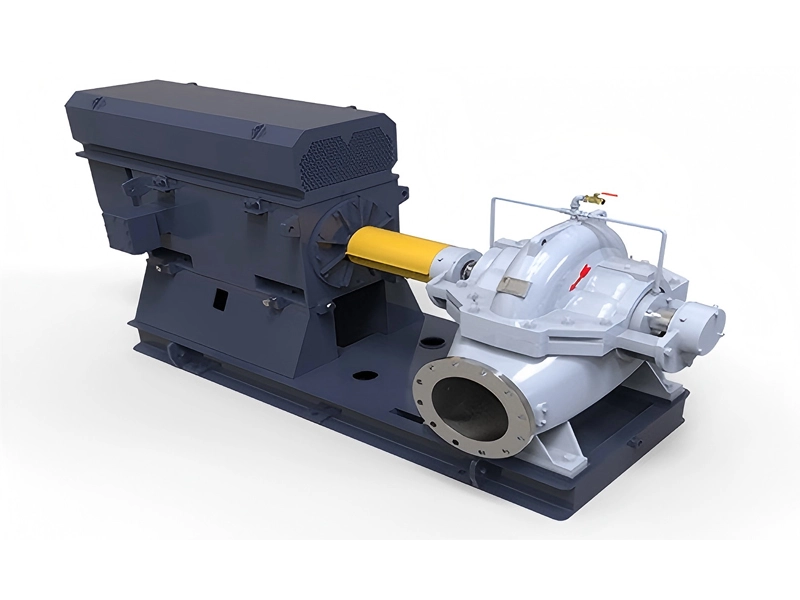
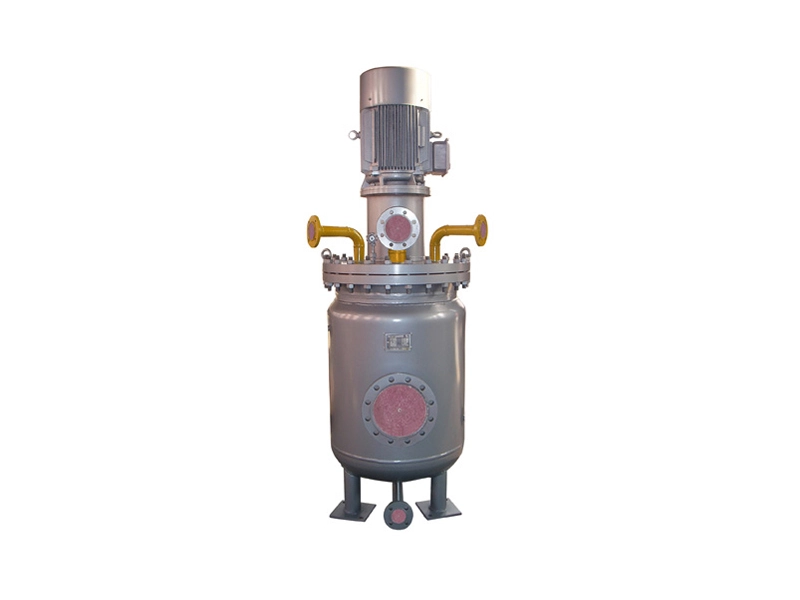
API 610 pump configurations improve reliability in oil and chemical processing applications by providing engineered solutions that match specific operating requirements, including high pressure, high temperature, corrosive fluids, and continuous-duty operation. The correct pump configuration directly affects mechanical stability, vibration control, seal performance, maintenance intervals, and overall lifecycle costs.
In refineries, petrochemical plants, and chemical processing facilities, centrifugal pumps are often considered critical rotating equipment because any unexpected failure can interrupt production, increase safety risks, and create significant maintenance expenses. For this reason, API 610 pumps are designed with strict mechanical requirements to ensure dependable performance in demanding industrial environments.
Rather than selecting a pump based only on flow rate and head, engineers must evaluate the complete operating condition, including fluid properties, temperature, pressure, installation space, and required service life. API 610 configurations such as OH, BB, and VS types provide different mechanical advantages, allowing operators to select the most suitable design for each process application.
API 610 is an internationally recognized standard developed for centrifugal pumps used in petroleum, petrochemical, and natural gas industries. Compared with general industrial pumps, API 610 designs focus on long-term reliability, improved mechanical integrity, and safe operation under severe process conditions.
The reliability advantages of API 610 pumps come from several engineering principles:
Heavy-duty casing structures designed for demanding pressure conditions
Optimized shaft and bearing arrangements to minimize mechanical stress
Strict vibration control requirements for stable operation
Improved sealing systems for hazardous and corrosive fluids
Enhanced maintainability for reduced downtime
Comprehensive testing requirements before delivery
For process industries requiring continuous operation, selecting properly designed API pumps helps ensure stable performance and improved equipment availability. The pump configuration determines how effectively the equipment handles mechanical loads, hydraulic forces, and operating fluctuations throughout its service life.
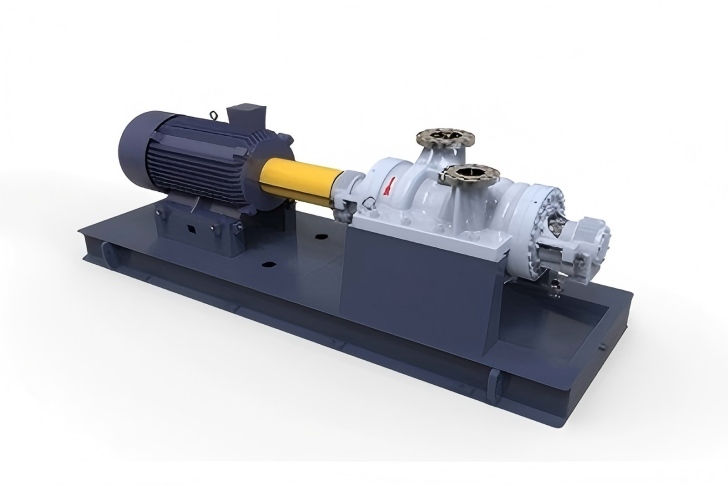
The configuration of an API 610 pump determines the relationship between the hydraulic components, shaft arrangement, bearings, and casing structure. A suitable configuration reduces mechanical stress and allows the pump to operate closer to its best efficiency point.
For example, a refinery circulation system handling high-temperature hydrocarbons requires a pump capable of maintaining stable rotor dynamics under continuous operation. A configuration designed for lighter-duty transfer service may experience higher vibration or reduced component life when exposed to these demanding conditions.
The major API 610 pump configurations include:
| Configuration | Structure | Typical Applications | Main Reliability Benefits |
|---|---|---|---|
| OH Type | Overhung impeller centrifugal pump | General process transfer, cooling systems, utility services | Compact design, easier maintenance, cost-effective operation |
| BB Type | Between-bearing centrifugal pump | Refinery processes, petrochemical circulation, high-duty services | Improved rotor stability, reduced shaft deflection, longer bearing life |
| VS Type | Vertical suspended pump | Tanks, sumps, offshore facilities, space-limited installations | Flexible installation, reduced footprint, reliable vertical operation |
Understanding these differences allows engineers to select equipment that delivers reliable performance instead of simply choosing a pump based on initial purchase cost.
OH-type API 610 pumps feature an overhung impeller arrangement where the impeller is mounted beyond the bearing support. This design provides a relatively simple mechanical structure and is widely used in applications where operating conditions are moderate.
Common applications include:
Cooling water circulation
General chemical transfer
Utility process systems
Low to medium pressure services
The primary advantages of OH pumps include compact dimensions, straightforward maintenance procedures, and lower installation complexity. However, because the impeller extends from the bearing support, shaft deflection and bearing loading become important considerations when the pump operates under higher pressure or increased hydraulic loads.
For applications requiring more demanding mechanical performance, engineers often select between-bearing configurations.
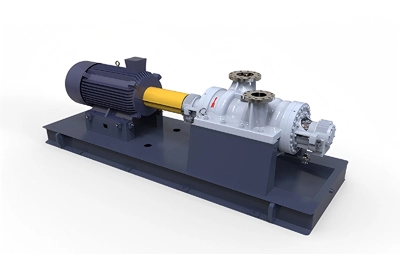
BB-type API 610 pumps are widely used in critical oil and chemical processing applications because their between-bearing structure provides excellent rotor support.
Unlike overhung designs, the rotating assembly is supported by bearings located on both sides of the impeller. This balanced arrangement improves mechanical stability and reduces the risk of vibration-related failures.
Key reliability advantages include:
Lower shaft bending during operation
Improved rotor dynamic performance
Reduced vibration levels
Extended bearing service life
Suitability for high-pressure and high-temperature applications
For example, LUBOR’s BB2 pump solutions are designed for demanding petrochemical services where stable operation and long maintenance intervals are essential.
BB2 pumps are commonly applied in:
Refinery process circulation
Hydrocarbon transfer systems
Petrochemical production lines
High-temperature liquid handling
The mechanical balance of BB2 configurations makes them particularly valuable in applications where unexpected downtime can significantly affect production efficiency.
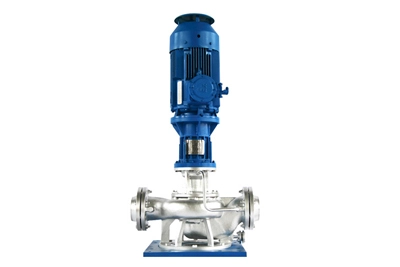
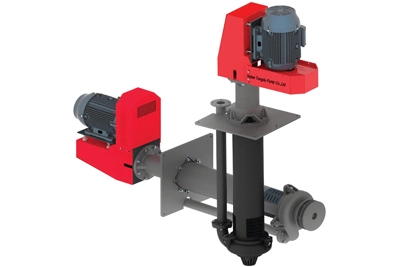
VS-type API 610 pumps are designed for vertical installation requirements, especially where space limitations or process conditions require a suspended pump arrangement.
Typical applications include:
Storage tank transfer systems
Sump pumping applications
Cooling water intake systems
Offshore processing facilities
The vertical configuration provides installation flexibility while maintaining reliable hydraulic performance. Proper selection of vertical suspended pumps helps ensure stable operation even when equipment must operate in challenging environments with limited installation space.
Oil and chemical processing environments create some of the most demanding conditions for rotating equipment. Pumps may need to handle extreme temperatures, hazardous fluids, corrosive chemicals, and continuous operation without interruption.
API 610 pumps are designed to address these challenges through robust mechanical engineering and application-focused configurations.
Process pumps used in refineries and chemical plants must withstand constant mechanical loads. API 610 requirements ensure that pump components are designed with appropriate strength, rigidity, and dimensional accuracy.
This reduces risks associated with:
Shaft deformation
Excessive vibration
Bearing damage
Mechanical seal failure
Industrial processes rarely operate at exactly one fixed point. Changes in production demand, temperature, and system resistance can affect pump performance.
A properly selected API 610 configuration helps maintain hydraulic stability by matching pump design with actual process requirements. This improves efficiency while reducing unnecessary stress on internal components.
Reliability in industrial pumping systems is not only measured by whether a pump can operate under rated conditions. For oil and chemical processing plants, the more important consideration is how consistently the pump can perform over years of operation while minimizing maintenance requirements.
The selected API 610 configuration has a direct influence on lifecycle costs because it determines component loading, inspection requirements, spare parts consumption, and repair frequency.
A properly selected pump configuration can provide the following lifecycle advantages:
Longer bearing operating life
Reduced mechanical seal replacement frequency
Lower vibration-related maintenance
Improved energy efficiency
Reduced production interruptions
For example, a high-pressure refinery application may require a more robust between-bearing design rather than a compact overhung configuration. Although the initial investment may be higher, improved rotor stability and mechanical strength can significantly reduce long-term operating expenses.
API 610 pump selection should therefore consider total cost of ownership rather than only the initial equipment price. In critical process applications, a reliable pump configuration can deliver measurable economic benefits through improved availability and reduced downtime.
Selecting an API 610 pump configuration requires a detailed evaluation of process conditions, mechanical requirements, and operational objectives. The correct choice depends on more than flow rate and pressure because each application has different reliability challenges.
High-pressure and high-temperature services require stronger mechanical arrangements to maintain stability. Applications involving hydrocarbon processing, refinery circulation, or chemical reaction systems often require configurations capable of handling continuous mechanical stress.
For these services, between-bearing designs are frequently considered because they provide better shaft support and improved rotor performance.
The pumped medium strongly affects pump configuration and material selection. Engineers must consider:
Corrosion potential
Fluid viscosity
Presence of solids
Flammability risks
Operating temperature range
Chemical processing applications may require specialized materials and sealing systems to maintain reliability when handling aggressive fluids.
Different applications require different hydraulic performance. Single-stage pumps may be suitable for moderate pressure applications, while multi-stage designs are preferred when higher pressure output is required.
For example, a high-pressure process system may benefit from a double-casing multistage configuration. LUBOR’s bb3 pump solutions are designed for demanding services where high head capability and mechanical reliability are essential.
Maintenance planning should be considered during the initial pump selection stage. A pump configuration that allows easier inspection and component replacement can reduce operational disruption.
Industrial operators should evaluate:
Accessibility of bearings and seals
Availability of spare components
Required shutdown intervals
Maintenance expertise at the facility
The following table summarizes common API 610 configurations and their typical selection considerations:
| Pump Configuration | Mechanical Design | Typical Applications | Reliability Advantages |
|---|---|---|---|
| OH Type | Overhung impeller with bearing support on one side | General process transfer, cooling systems, utility services | Compact structure, simple maintenance, suitable for moderate operating conditions |
| BB2 Type | Single-stage between-bearing centrifugal pump | Petrochemical transfer, refinery circulation, process systems | Improved rotor balance, reduced shaft deflection, longer bearing service life |
| BB3 Type | Double-casing multistage between-bearing pump | High-pressure refinery and chemical processing applications | Excellent mechanical strength, high-pressure capability, stable continuous operation |
| VS Type | Vertical suspended centrifugal pump | Tanks, sumps, offshore installations | Space-saving design, flexible installation, reliable vertical operation |
A refinery process system handling high-temperature hydrocarbon fluids requires careful pump selection because reliability directly affects production continuity.
During the engineering process, specialists typically evaluate:
Required flow capacity
Differential pressure
Operating temperature
Fluid properties
Required operating hours
Maintenance requirements
For a moderate-pressure transfer application, an OH configuration may provide sufficient performance with easier maintenance access.
However, for a continuous refinery process requiring higher pressure capability and improved mechanical stability, a BB configuration may be more suitable.
For extremely demanding high-pressure applications, engineers may select multi-stage between-bearing designs because they provide enhanced pressure capability while maintaining reliable rotor dynamics.
This application-based selection approach allows operators to achieve better performance, lower maintenance costs, and improved equipment reliability throughout the pump lifecycle.
LUBOR has extensive experience providing industrial pumping solutions for demanding applications including petrochemical processing, mining, food processing, wastewater treatment, and energy industries.
With decades of manufacturing experience since its establishment in 1958, LUBOR focuses on delivering reliable pump solutions through engineering expertise, quality manufacturing processes, and application-oriented design.
LUBOR API 610 pumps are developed for customers who require dependable performance in continuous-duty environments. By combining appropriate hydraulic design with robust mechanical structures, LUBOR helps customers improve plant reliability and reduce operational risks.
For oil and chemical processing applications, selecting the correct pump configuration is essential. LUBOR works with customers to evaluate operating conditions and recommend suitable pump designs based on performance requirements, maintenance objectives, and long-term reliability expectations.
API 610 pumps are designed specifically for demanding petroleum, petrochemical, and chemical industry applications. Their robust mechanical design, vibration control requirements, and testing standards help ensure reliable operation under high-temperature, high-pressure, and continuous-duty conditions.
OH pumps use an overhung impeller design with the rotating assembly supported from one side, making them compact and easy to maintain. BB pumps use bearings located on both sides of the impeller, providing better rotor stability and making them suitable for more demanding process conditions.
BB2 pumps are commonly selected for heavy-duty single-stage applications requiring improved mechanical stability. BB3 pumps are typically used for higher-pressure services where multiple stages and enhanced pressure capability are required.
Proper configuration selection reduces maintenance costs by minimizing vibration, improving bearing life, protecting mechanical seals, and extending service intervals. A suitable pump design reduces unexpected failures and production interruptions.
Yes. API 610 pumps can be designed with appropriate materials and sealing solutions for corrosive chemical applications. Material selection depends on the specific characteristics of the pumped fluid and operating environment.
Important factors include flow rate, pressure, temperature, fluid properties, installation conditions, maintenance strategy, and required reliability level. Engineers should evaluate the complete process system rather than selecting equipment based only on capacity.
API 610 pump configurations play a critical role in improving reliability in oil and chemical processing applications. The selection between OH, BB, and VS designs directly influences mechanical stability, hydraulic performance, maintenance requirements, and lifecycle costs.
For demanding industrial environments, the right pump configuration provides more than basic fluid transfer capability. It supports safer operation, longer equipment life, and improved production efficiency.
By combining advanced engineering practices with application-specific pump selection, LUBOR helps industrial customers achieve reliable performance in challenging process environments. Choosing the appropriate API 610 configuration is an essential step toward building efficient and dependable pumping systems.