English
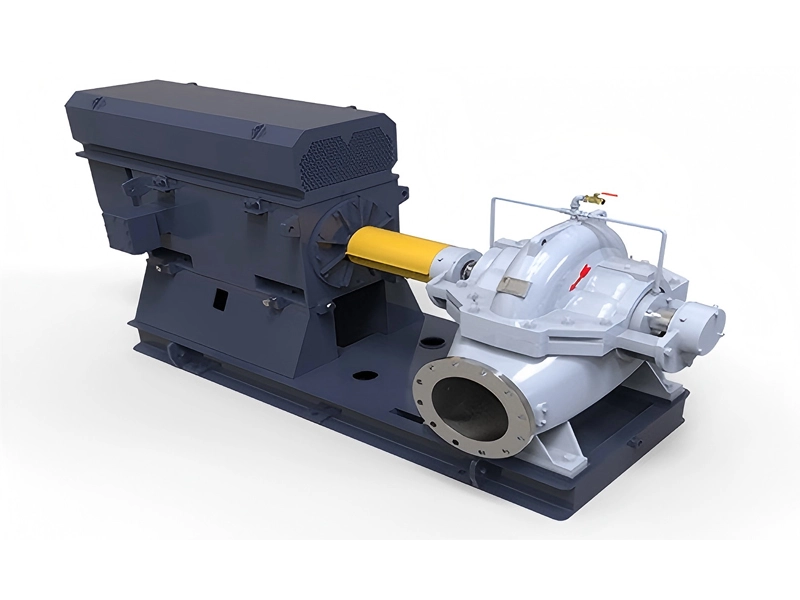
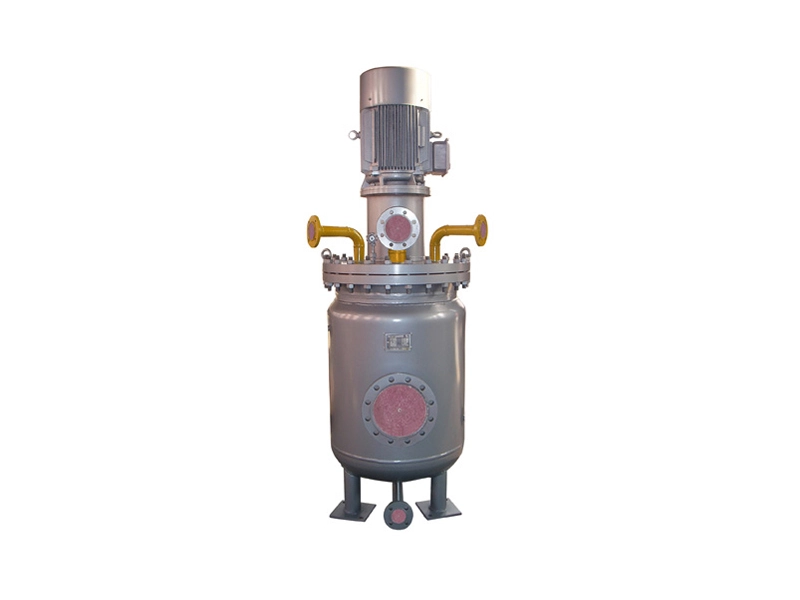
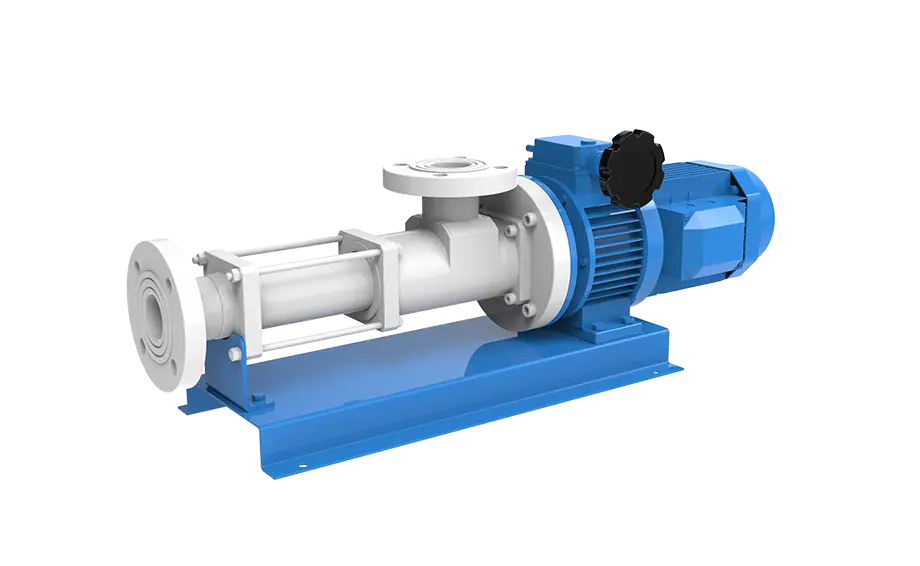
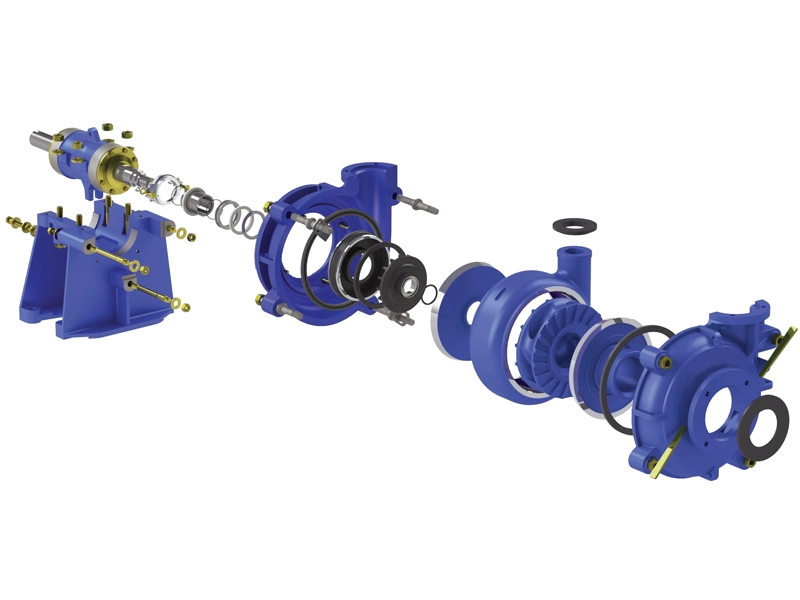
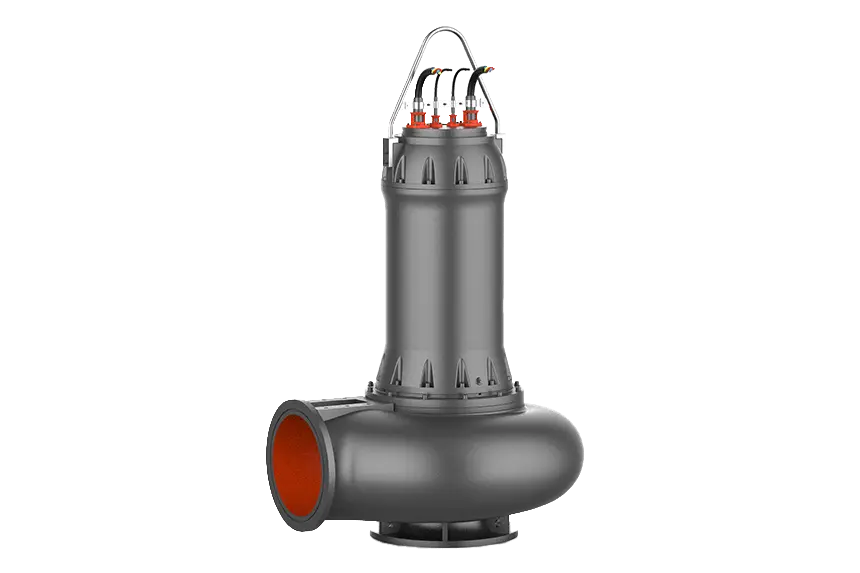
API 685 sealless pumps are designed to improve safety and reliability in hazardous chemical transfer applications by eliminating traditional mechanical seals and reducing the risk of fluid leakage. Through magnetic drive technology and a fully enclosed containment system, these pumps provide a reliable solution for handling toxic, corrosive, flammable, and high-value process fluids in chemical and petrochemical industries.
In chemical processing environments, pump leakage is not only a maintenance concern but also a potential safety and environmental risk. Fluids such as acids, solvents, hydrocarbons, and aggressive chemicals require pumping equipment that can maintain reliable containment during continuous operation. API 685 sealless pump designs address these challenges by removing the primary leakage point found in conventional sealed centrifugal pumps.
For process engineers, selecting the right sealless pump requires evaluating fluid characteristics, operating conditions, containment requirements, maintenance strategy, and lifecycle cost. Understanding how API 685 pump configurations work helps operators achieve safer operation, reduced downtime, and improved process reliability.
API 685 sealless pumps are commonly selected for hazardous chemical transfer because they provide a completely enclosed pumping system without a dynamic shaft seal. Traditional centrifugal pumps normally rely on mechanical seals to prevent process fluid from escaping around the rotating shaft. However, mechanical seals can become a potential failure point due to wear, vibration, temperature changes, or improper operating conditions.
By replacing the mechanical seal with a magnetic coupling and containment shell, sealless pumps significantly reduce the possibility of leakage during operation.
The main advantages of API 685 sealless pump technology include:
Zero process fluid leakage during normal operation
Improved safety when handling hazardous chemicals
Reduced emissions and environmental risks
Lower maintenance requirements
Improved reliability in continuous process applications
These characteristics make sealless pumps particularly suitable for industries where fluid containment is critical, including:
Chemical manufacturing
Petrochemical processing
Pharmaceutical production
Specialty chemical handling
Industrial solvent transfer
An API 685 sealless pump operates using magnetic drive technology instead of a conventional shaft sealing system. The motor drives an external magnet assembly, which transfers torque through a containment shell to an internal magnet assembly connected to the impeller.
This design allows the pump to transfer power while keeping the pumped fluid completely isolated inside the hydraulic section.
The main operating components include:
| Component | Function | Reliability Benefit |
|---|---|---|
| External Magnet Assembly | Transfers rotational energy from the motor | Provides contactless torque transmission |
| Internal Magnet Assembly | Drives the impeller inside the sealed chamber | Maintains complete fluid containment |
| Containment Shell | Separates process fluid from external components | Eliminates dynamic leakage points |
| Internal Bearings | Support rotating components | Reduce mechanical wear and improve stability |
The absence of a mechanical shaft seal is the defining feature of API 685 sealless pump technology. This makes the design especially valuable when leakage prevention is more important than achieving the lowest initial equipment cost.
The main difference between API 685 sealless pumps and conventional centrifugal pumps is the method used to prevent process fluid leakage.
Conventional pumps typically use mechanical seals, which require precise installation, proper lubrication conditions, and regular monitoring. Although modern mechanical seals can provide reliable performance, they remain a wear component that may require replacement during the pump lifecycle.
Sealless pumps eliminate this maintenance point by using a static containment structure.
| Feature | API 685 Sealless Pump | Conventional Sealed Pump |
|---|---|---|
| Shaft Sealing Method | Magnetic drive with containment shell | Mechanical seal |
| Leakage Risk | Extremely low during normal operation | Potential seal leakage over time |
| Maintenance Requirement | Reduced seal-related maintenance | Requires seal inspection and replacement |
| Suitable Applications | Hazardous, toxic, corrosive fluids | General industrial fluid transfer |
For hazardous chemical applications, eliminating leakage risks can provide significant operational advantages. This is why API 685 sealless pumps are increasingly used in processes where safety, environmental protection, and product containment are major priorities.
API 685 sealless pumps are commonly applied in industries where even minor leakage can create safety concerns or product losses.
Chemical plants often handle aggressive fluids that require reliable containment. Acids, solvents, catalysts, and specialty chemicals may damage conventional sealing systems or create hazardous conditions if leakage occurs.
Sealless pump technology provides an additional protection layer by maintaining a closed pumping system.
Petrochemical facilities frequently transfer volatile and flammable fluids. Leakage prevention is essential to maintaining safe operation and reducing emissions.
API 685 pumps are suitable for applications involving:
Hydrocarbon solvents
Aromatic compounds
Flammable process liquids
High-value chemical products
In pharmaceutical and specialty chemical manufacturing, product purity and contamination prevention are critical. Sealless designs reduce the risk of external contamination while maintaining reliable fluid transfer.
Safety improvement is one of the primary reasons chemical plants select magnetic drive pump technology. The elimination of a rotating shaft seal reduces one of the most common leakage sources in centrifugal pump operation.
Magnetic drive designs improve safety by:
Reducing exposure to hazardous fluids
Minimizing fugitive emissions
Lowering environmental protection risks
Reducing emergency maintenance requirements
For chemical processing facilities operating under strict environmental and safety requirements, leak prevention is often a key factor in pump selection.
In addition to safety benefits, magnetic drive pumps can also improve operational reliability because fewer external components are exposed to process conditions.
Selecting an API 685 sealless pump requires a comprehensive evaluation of process conditions rather than simply comparing pump capacity. Because these pumps are commonly used for hazardous and sensitive fluids, engineers must consider reliability, containment performance, operating environment, and long-term maintenance requirements.
The characteristics of the pumped medium directly influence pump material selection and design requirements.
Important factors include:
Corrosiveness of the chemical
Temperature range
Viscosity
Vapor pressure
Presence of suspended particles
Flammability and toxicity
For example, highly corrosive chemicals may require special metallic materials or advanced containment solutions to ensure long-term reliability. Selecting the correct material combination helps prevent premature wear and maintains safe operation.
API 685 sealless pumps must be selected according to actual system requirements, including:
Flow rate
Total dynamic head
Suction conditions
Operating pressure
Continuous or intermittent duty cycles
A pump operating outside its designed range may experience hydraulic instability, increased vibration, or reduced component life. Proper hydraulic selection ensures that the pump operates efficiently while maintaining mechanical reliability.
Not every chemical transfer application requires the same level of protection. For critical processes involving hazardous or high-value fluids, reliability and containment performance are usually the primary selection factors.
Applications requiring maximum leak prevention often benefit from magnetic drive technology because the sealed containment structure minimizes exposure risks.
Although sealless pumps may have a higher initial investment compared with traditional sealed pumps, their reduced seal maintenance requirements can provide significant lifecycle advantages.
Potential cost benefits include:
| Cost Factor | Impact of API 685 Sealless Pump |
|---|---|
| Mechanical Seal Replacement | Eliminates routine mechanical seal replacement requirements |
| Leak Management | Reduces costs associated with fluid leakage and environmental control |
| Maintenance Downtime | Improves equipment availability by reducing seal-related failures |
| Safety Management | Reduces exposure risks when handling hazardous chemicals |
Reliability in chemical transfer systems depends on more than pump operation. The equipment must maintain stable performance while protecting operators, the environment, and the process itself.
API 685 sealless pumps improve reliability through several key design advantages:
The biggest reliability advantage of sealless pump technology is the elimination of dynamic sealing points. Since there is no rotating shaft passing through the pump casing, the risk of process fluid escaping through a mechanical seal interface is significantly reduced.
This makes sealless pumps especially valuable for applications where even small leaks can result in:
Safety hazards
Environmental compliance issues
Product contamination
Production interruptions
Chemical plants often operate continuously, making equipment reliability essential. A pump failure can interrupt entire production lines and increase operational costs.
By reducing seal-related failures, API 685 designs help operators achieve more predictable maintenance schedules and improve overall plant availability.
API 685 sealless pumps generally use magnetic drive technology, but not all magnetic drive pumps are designed for API 685 industrial requirements.
The main difference is that API 685 pumps are developed specifically for demanding chemical, petrochemical, and hydrocarbon applications where reliability, containment, and operational safety are critical.
| Comparison Item | API 685 Sealless Pump | General Magnetic Drive Pump |
|---|---|---|
| Industry Focus | Chemical, petrochemical, hazardous fluid applications | General industrial applications |
| Reliability Requirements | Designed for continuous process operation | Depends on individual design |
| Containment Performance | High-level leak prevention | Varies by construction |
| Application Environment | Critical process systems | General fluid transfer |
LUBOR is an experienced industrial pump manufacturer providing reliable pumping solutions for demanding applications across petrochemical, chemical processing, mining, food processing, wastewater treatment, and energy industries.
Since its establishment in 1958, LUBOR has focused on continuous improvement in pump engineering, manufacturing quality, and customer service. The company provides process pump solutions designed to meet the requirements of modern industrial operations where reliability and efficiency are essential.
For hazardous chemical transfer applications, LUBOR focuses on helping customers select suitable pump configurations based on fluid characteristics, operating conditions, and maintenance objectives.
LUBOR’s engineering approach considers:
Process safety requirements
Fluid compatibility
Hydraulic performance
Long-term operational reliability
Lifecycle cost optimization
For applications requiring specialized centrifugal pump solutions, LUBOR also provides API process pumps designed for demanding industrial environments where stable performance and dependable operation are required.
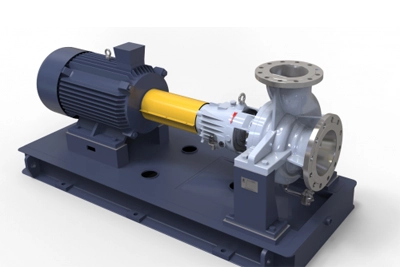
OH3 pump configurations are commonly associated with magnetic drive centrifugal pump designs because they provide a compact and reliable structure for process applications.
The OH3 arrangement combines an overhung impeller structure with a rigid bearing support system, providing advantages in applications where space efficiency and reliable operation are important.
LUBOR’s OH3 pump solutions are designed for applications requiring reliable chemical transfer performance while maintaining a compact installation footprint.
Typical OH3 pump applications include:
Chemical transfer systems
Process circulation
Solvent handling
Specialty chemical production
The selection of OH3 configuration depends on factors such as pressure requirements, fluid properties, operating temperature, and system design.
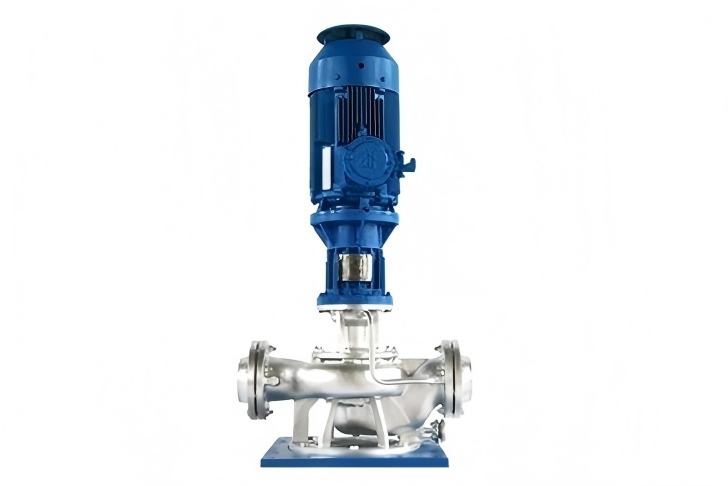
An API 685 sealless pump is a centrifugal pump designed for hazardous and demanding process applications without a traditional mechanical shaft seal. Instead, it uses magnetic drive technology and a containment shell to prevent process fluid leakage.
Sealless pumps reduce leakage risks by eliminating dynamic shaft seals. This makes them suitable for applications involving toxic, corrosive, flammable, or environmentally sensitive fluids.
A magnetic drive pump transfers torque through magnetic coupling instead of a direct shaft connection. The containment shell separates the pumped fluid from external components, preventing leakage through a rotating shaft seal.
The initial purchase cost of an API 685 sealless pump may be higher, but reduced seal maintenance, improved safety, and lower leakage risks can provide better lifecycle value in critical applications.
API 685 sealless pumps are widely used in chemical processing, petrochemical production, pharmaceutical manufacturing, specialty chemical industries, and other applications requiring reliable containment.
Engineers should evaluate fluid characteristics, operating conditions, required reliability, material compatibility, installation requirements, and lifecycle cost before selecting an API 685 sealless pump.
API 685 sealless pumps provide a reliable solution for hazardous chemical transfer applications where leak prevention, safety, and continuous operation are essential. By replacing traditional mechanical seals with magnetic drive technology and containment systems, these pumps help reduce maintenance requirements and improve process reliability.
For chemical and petrochemical industries handling challenging fluids, selecting the appropriate sealless pump configuration is an important step toward achieving safer and more efficient operations.
With decades of pump manufacturing experience, LUBOR continues to support industrial customers by providing reliable pumping solutions designed for demanding process environments.
The following technical resources provide additional information related to centrifugal pump operation, performance characteristics, and industrial reliability considerations.
Engineering ToolBox – Centrifugal Pumps https://www.engineeringtoolbox.com/centrifugal-pumps-d_54.html
Pumps & Systems – A Centrifugal Pump Primer https://www.pumpsandsystems.com/article/centrifugal-pump-primer-part-1
U.S. Department of Energy – Centrifugal Pumps Reference https://engineeringlibrary.org/reference/centrifugal-pumps-fluid-flow-doe-handbook