English
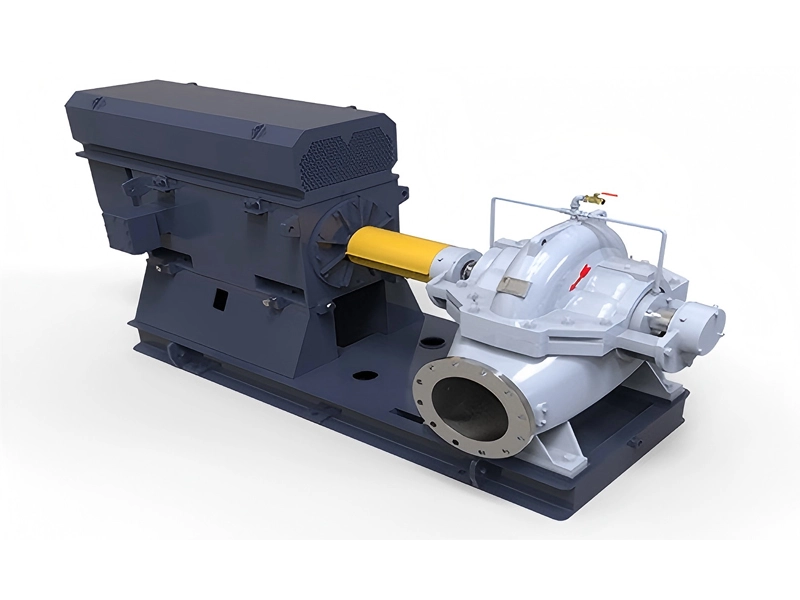
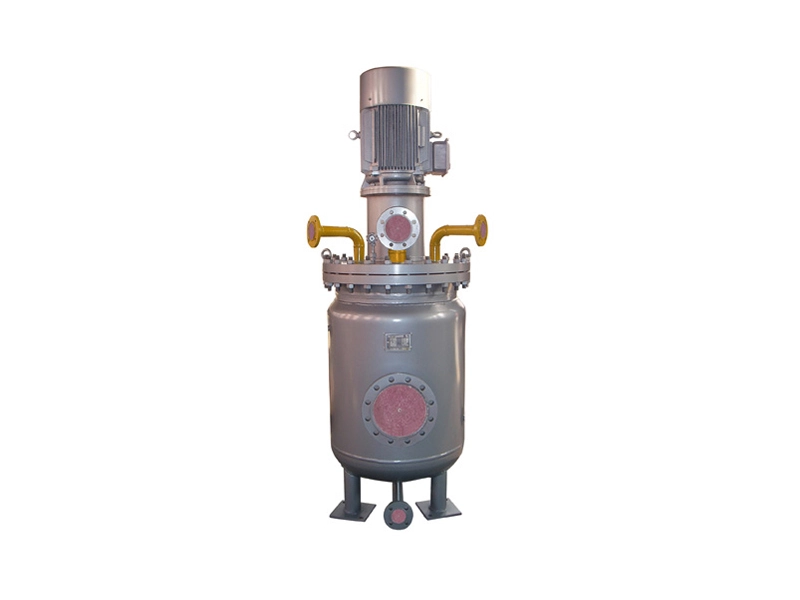
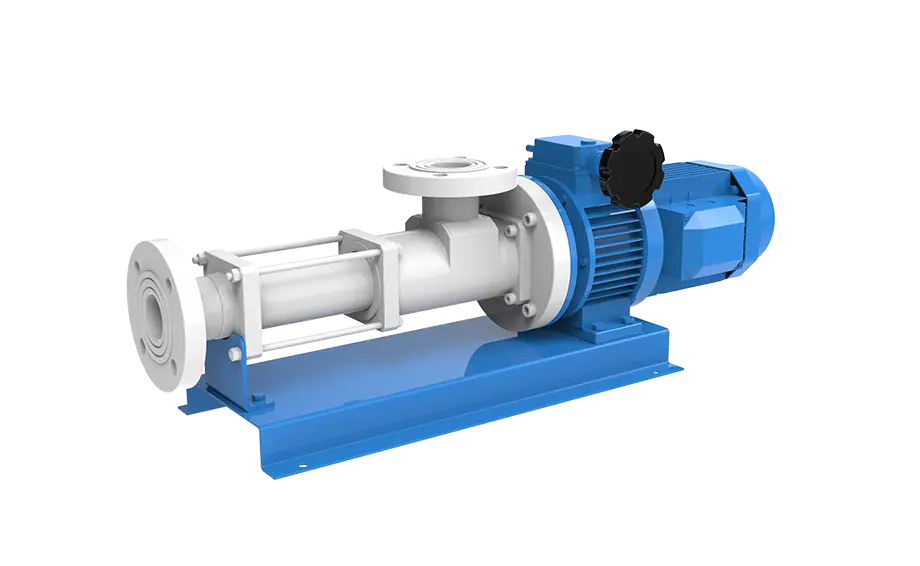
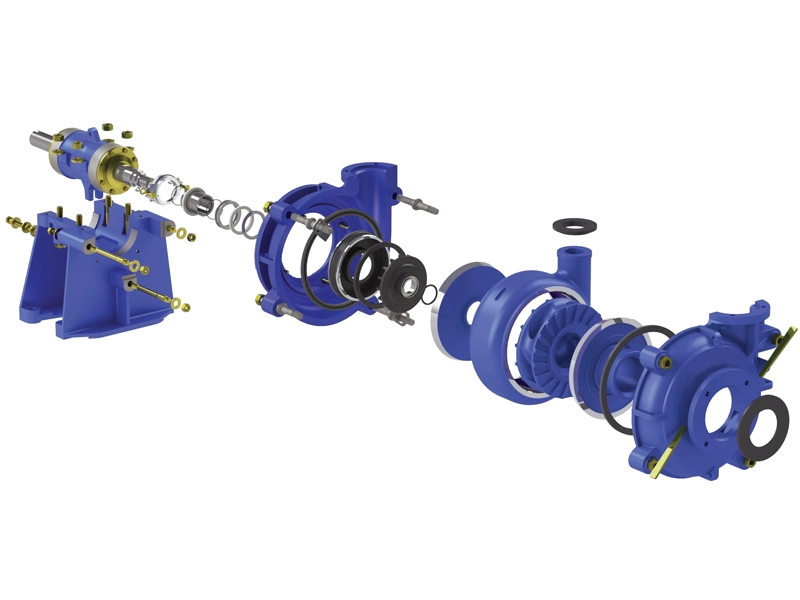
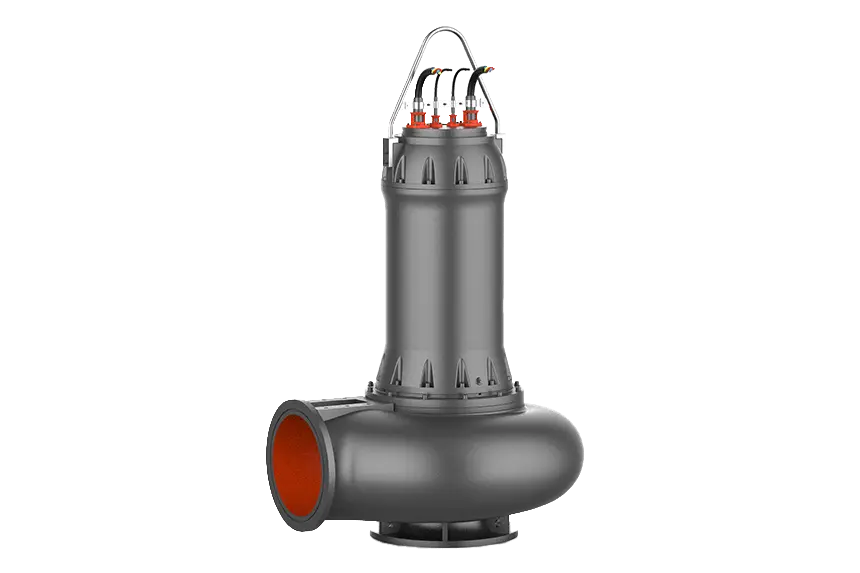
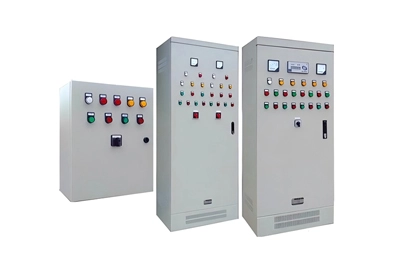
Rotor pumps are primarily selected for industrial processing applications where conventional centrifugal pumps cannot provide reliable performance due to high fluid viscosity, strict flow control requirements, or the need for gentle product handling. By using positive displacement technology, rotor pumps deliver consistent flow regardless of viscosity changes, making them suitable for challenging fluids such as oils, polymers, resins, chemicals, and other process materials.
In industrial production systems, pump reliability directly affects process stability, product quality, and operating costs. A pump that cannot maintain steady flow or handle changing fluid characteristics may lead to production interruptions, increased maintenance requirements, and reduced efficiency. Rotor pump technology addresses these challenges by providing controlled fluid transfer with strong suction capability and stable performance under demanding conditions.
From chemical processing and petrochemical applications to food, pharmaceutical, and specialty material industries, rotor pumps are widely used when accurate flow delivery and reliable handling of viscous or sensitive fluids are essential. Understanding their operating principles, design characteristics, and application limitations helps engineers select the right pumping solution for each process requirement.
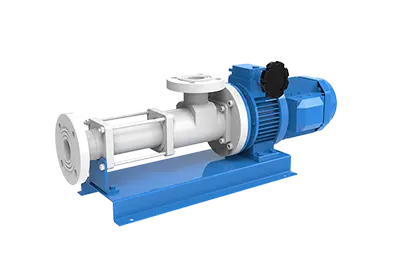
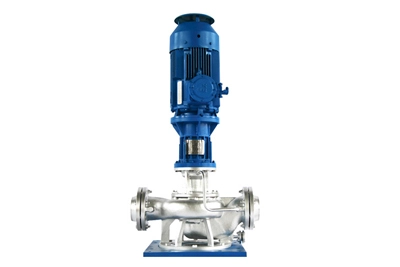
A rotor pump is a positive displacement pump that transfers fluid through the movement of rotating elements inside a precisely designed pump chamber. Unlike centrifugal pumps, which increase fluid velocity through impeller rotation, rotor pumps move a defined volume of liquid during each rotation cycle.
The basic operating principle is based on creating sealed cavities between the rotor components and the pump casing. As these cavities expand, fluid is drawn into the pump. The rotating elements then transport the trapped fluid toward the discharge side, where the decreasing cavity volume pushes the fluid into the process system.
Understanding rotor pump working principles is essential for engineers who need to select pumping equipment for high-viscosity materials, sensitive products, and industrial processes requiring consistent flow performance.
The operation of a rotor pump can be divided into three main stages:
| Operating Stage | Process Description | Industrial Advantage |
|---|---|---|
| Suction Stage | The rotating element creates a low-pressure area that draws fluid into the pump chamber. | Provides reliable suction capability and supports self-priming operation in many applications. |
| Transfer Stage | Fluid is trapped within enclosed cavities and transported through the pump body. | Maintains stable displacement and consistent flow output. |
| Discharge Stage | The rotating components reduce cavity volume and force fluid toward the outlet. | Generates the pressure required for industrial transfer systems. |
Because rotor pumps transfer fluid through physical displacement rather than velocity generation, their performance is less affected by viscosity increases. This makes them particularly effective for applications involving thick, sticky, or shear-sensitive materials.
Industrial processing facilities often handle fluids with complex characteristics that require more than standard pumping capability. Changes in viscosity, temperature, chemical composition, and product sensitivity can significantly influence pump performance.
Rotor pumps provide an effective solution for these challenges because they are designed to maintain stable flow under difficult operating conditions.
Key advantages of rotor pumps in industrial processing include:
Reliable handling of high-viscosity fluids
Stable flow output under changing system pressure
Reduced product damage caused by excessive shear
Strong suction performance
Suitable operation at low and medium flow rates
Flexible designs for different process requirements
For industries such as chemical manufacturing and specialty material production, maintaining consistent fluid transfer is critical. Unstable flow can affect mixing ratios, reaction processes, coating quality, and final product performance.
Rotor pumps are therefore commonly selected when process accuracy and reliability are more important than simply achieving maximum pumping capacity.
One of the main reasons industries choose rotor pumps is their ability to efficiently handle high-viscosity fluids. As fluid viscosity increases, centrifugal pumps typically experience reduced efficiency because their operating principle depends on converting rotational speed into fluid velocity.
Rotor pumps overcome this limitation by mechanically moving fluid through enclosed chambers. The pump transfers a fixed volume with each rotation, allowing it to maintain stable performance even when handling thick materials.
Common high-viscosity applications include:
Heavy oils and lubricants
Polymer solutions
Adhesives and sealants
Paints and coatings
Resins and chemical additives
Food products such as syrups and pastes
However, successful application depends on proper pump selection. Engineers should evaluate viscosity at actual operating temperature, required pressure, fluid compatibility, and acceptable shear levels before choosing a rotor pump.
A properly selected rotor pump can improve production stability by maintaining predictable flow even when process materials become more challenging to handle.
Rotor pumps include several designs developed for different industrial applications. Although all rotor pumps use positive displacement principles, their internal structures determine their pressure capability, flow characteristics, and suitability for specific fluids.
| Rotor Pump Type | Design Principle | Main Applications | Key Benefits |
|---|---|---|---|
| Lobe Rotor Pump | Two or more rotating lobes move fluid through sealed cavities. | Food, pharmaceutical, chemical processing. | Gentle handling and low shear performance. |
| Screw Rotor Pump | Rotating screws create continuous fluid movement. | Oil transfer, lubrication systems, industrial processing. | Smooth flow and reliable continuous operation. |
| Progressive Cavity Pump | Helical rotor creates progressing cavities inside a stator. | Slurry, wastewater, viscous material handling. | Excellent capability for difficult fluids. |
Lobe rotor pumps use rotating lobes that move fluid without direct contact between the pumping elements. This design provides gentle fluid handling and reduces the risk of damaging sensitive products.
They are commonly used in applications where product quality and cleanliness are important, including:
Food ingredient transfer
Pharmaceutical manufacturing
Cosmetic production
Specialty chemical processing
The low-shear characteristics of lobe rotor pumps make them suitable for materials where maintaining physical properties is essential.
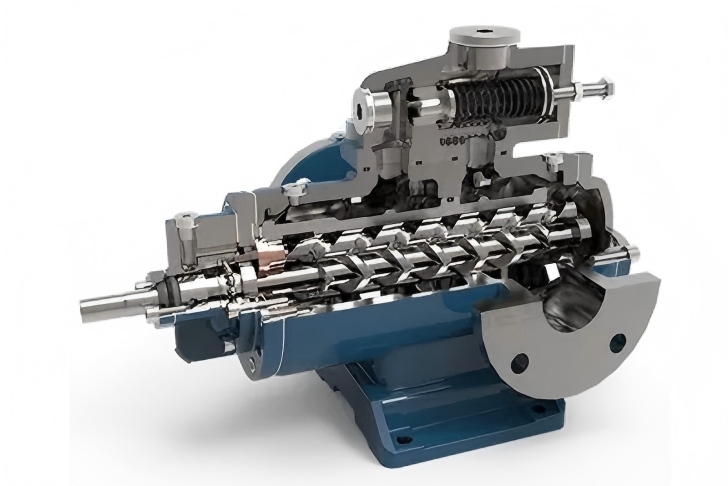
Screw rotor pumps use rotating screws to transport fluid smoothly through the pump chamber. Their continuous displacement characteristics make them suitable for applications requiring stable flow, low pulsation, and reliable operation.
A three-spindle screw pump is often selected for industrial systems requiring smooth fluid transfer, high reliability, and effective handling of lubricating or hydrocarbon-based liquids.
Typical advantages include:
Low vibration operation
Stable pressure generation
Excellent continuous-duty capability
Suitable performance for oil-related applications
Progressive cavity pumps use a helical rotor rotating inside a flexible stator to create continuously moving cavities. This design allows the pump to handle fluids containing solids or materials with significant viscosity variation.
Typical applications include:
Wastewater treatment
Sludge transfer
Industrial slurry handling
High-viscosity chemical transfer
The ability to maintain stable flow with difficult fluids makes progressive cavity designs an important option in industrial environments where conventional pumps may struggle.
The choice between rotor pumps and centrifugal pumps depends largely on the characteristics of the process fluid and the operating requirements of the system. While centrifugal pumps are widely used for low-viscosity fluids and high-flow applications, rotor pumps are often preferred when stable displacement, viscosity handling, and precise transfer are required.
Understanding the differences between these two technologies helps engineers select the most suitable solution for each industrial process.
| Comparison Factor | Rotor Pump | Centrifugal Pump |
|---|---|---|
| Operating Principle | Positive displacement through rotating components | Dynamic pumping using impeller-generated velocity |
| Flow Characteristics | Stable flow based on displacement volume | Flow changes according to system resistance |
| Viscosity Capability | Excellent for high-viscosity fluids | Best performance with low-viscosity liquids |
| Shear Performance | Suitable for sensitive materials requiring gentle handling | Higher shear effect due to high-speed impeller operation |
| Typical Applications | Oils, polymers, chemicals, resins, food products | Water, solvents, cooling fluids, general process liquids |
| Flow Control | Suitable for accurate dosing and controlled transfer | Usually requires additional control methods |
For example, a chemical plant transferring a high-viscosity resin may achieve better performance with a rotor pump because the equipment can maintain stable flow despite changes in fluid resistance. However, a large water circulation system may benefit more from a centrifugal pump due to its ability to provide high flow rates efficiently.
Therefore, the correct pump selection depends on understanding the relationship between fluid characteristics, system requirements, and operational objectives.
Rotor pumps are applied across industries where reliable transfer of challenging fluids is required. Their ability to handle viscous, shear-sensitive, and chemically complex materials makes them valuable in many production environments.
Chemical manufacturing often involves materials with high viscosity, aggressive chemical properties, or strict transfer requirements. Rotor pumps are used for transferring:
Resins
Polymer solutions
Coatings
Additives
Specialty chemicals
In these applications, maintaining consistent flow helps ensure stable production conditions and reduces the risk of process interruptions.
Oil-related industries frequently require pumps capable of handling lubricating fluids, heavy oils, and hydrocarbon-based materials. Rotor pumps provide reliable operation because their positive displacement mechanism allows efficient transfer of high-viscosity liquids.
Common applications include:
Lubrication oil systems
Fuel transfer
Hydraulic oil circulation
Industrial oil processing
Food and pharmaceutical industries require pumping solutions that protect product quality while maintaining hygienic operation.
Rotor pumps are commonly selected because they provide:
Gentle product handling
Low shear operation
Stable flow control
Reliable processing performance
Selecting the correct rotor pump requires a detailed understanding of both the fluid characteristics and the process environment. Choosing a pump only according to flow capacity may result in poor efficiency or reduced service life.
Engineers should evaluate the following factors:
Viscosity is one of the most important selection criteria. Higher viscosity fluids generally require stronger displacement capability and appropriate internal clearances.
Engineers should consider:
Operating temperature
Viscosity variation during production
Required flow consistency
The pump must be capable of providing the required discharge pressure while maintaining stable operation. Different rotor designs provide different pressure capabilities.
For chemical and industrial applications, pump materials must be compatible with the transported fluid.
Important considerations include:
Corrosion resistance
Temperature resistance
Wear resistance
Chemical compatibility
A reliable industrial pump should not only perform efficiently but also support convenient maintenance. Engineers should consider component accessibility, spare part availability, and expected service intervals when selecting equipment.
LUBOR is an experienced pump manufacturer providing industrial pumping solutions for applications including chemical processing, petrochemicals, mining, food processing, wastewater treatment, and energy industries.
Since its establishment in 1958, LUBOR has focused on improving pump quality, engineering capability, and customer support to meet the requirements of global industrial users.
As a professional rotor pump supplier in china, LUBOR provides pumping solutions designed for demanding industrial applications where stable operation, reliable performance, and long service life are essential.
LUBOR’s engineering approach focuses on matching pump design with actual process requirements, including:
Fluid characteristics evaluation
Operating condition analysis
Material selection
Hydraulic performance optimization
Lifecycle cost considerations
By combining manufacturing experience with application-focused engineering, LUBOR helps customers improve process reliability and select suitable pumping technologies for complex industrial environments.
A rotor pump works based on positive displacement principles. Rotating elements create sealed chambers that transport a fixed volume of fluid from the suction side to the discharge side, allowing stable flow performance even with high-viscosity materials.
Rotor pumps can handle a wide range of fluids, including oils, polymers, resins, chemicals, adhesives, food products, and other high-viscosity materials. The specific pump design depends on viscosity, temperature, and chemical properties.
Neither technology is universally better. Rotor pumps are usually preferred for high-viscosity fluids, accurate flow control, and gentle product handling, while centrifugal pumps are often more suitable for low-viscosity fluids requiring high flow rates.
Rotor pumps move fluid through mechanical displacement rather than relying on fluid velocity. This allows them to maintain efficiency and stable flow when handling thicker materials that may reduce centrifugal pump performance.
Rotor pumps are widely used in chemical processing, petrochemical industries, food production, pharmaceutical manufacturing, oil systems, and specialty material processing where reliable fluid transfer is required.
Engineers should evaluate fluid viscosity, pressure requirements, temperature, chemical compatibility, flow requirements, maintenance strategy, and operating environment before selecting a rotor pump.
Rotor pumps provide an effective solution for industrial processing applications where stable flow, viscosity handling, and reliable fluid transfer are essential. Their positive displacement operating principle allows them to handle challenging materials that may not perform efficiently with conventional centrifugal pumps.
From chemical processing and petrochemical applications to food, pharmaceutical, and specialty industries, rotor pumps help improve process stability, reduce operational challenges, and support consistent production performance.
By selecting the appropriate rotor pump design and matching equipment characteristics with process requirements, industrial operators can achieve better reliability, efficiency, and long-term value.