English
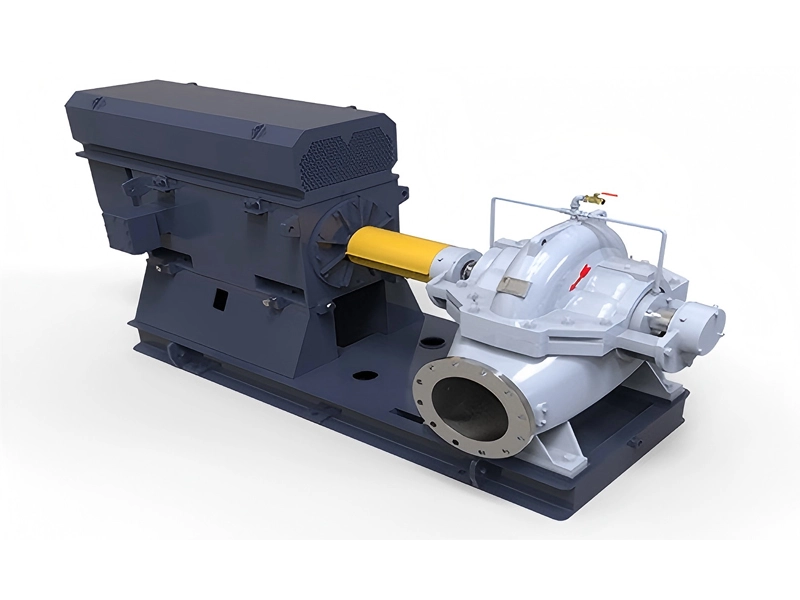
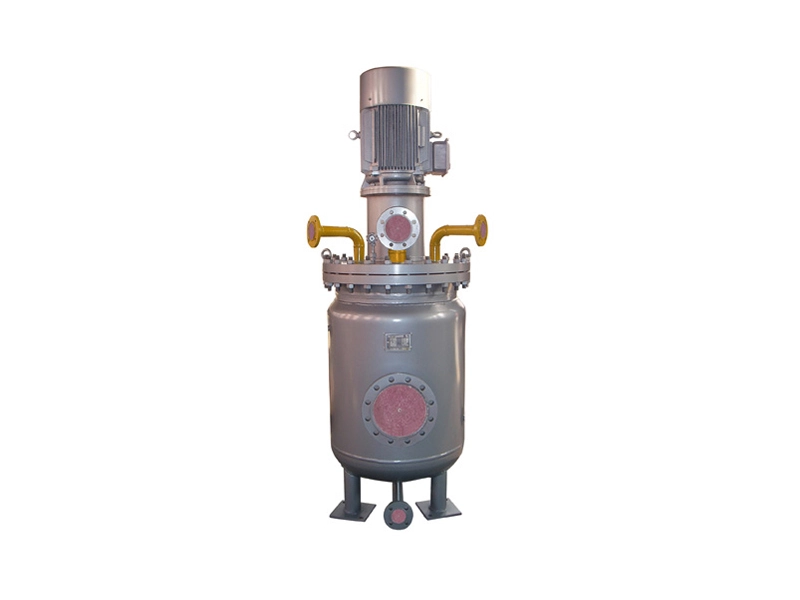
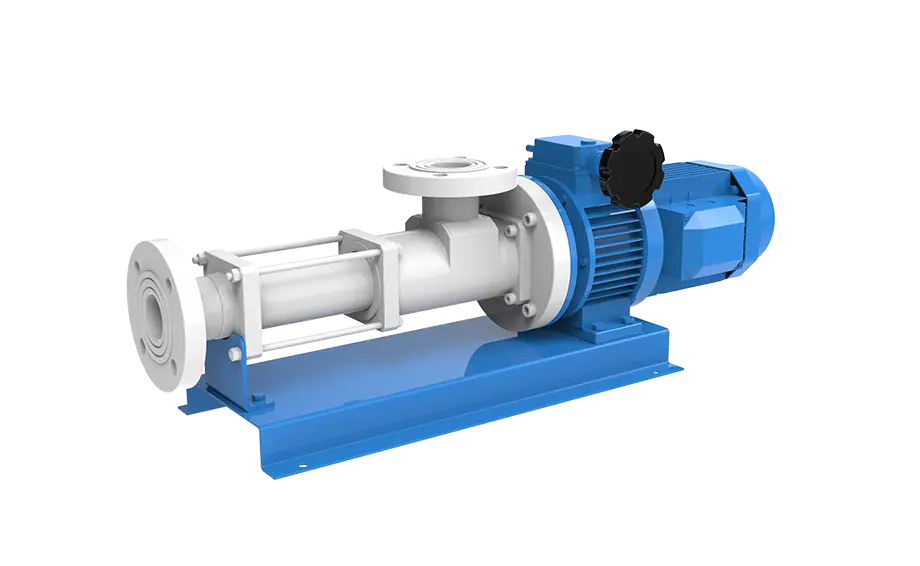
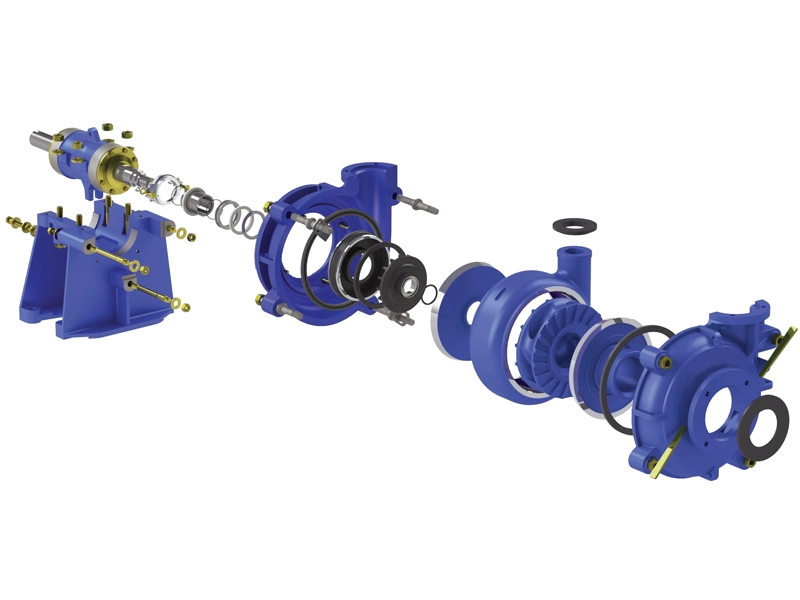
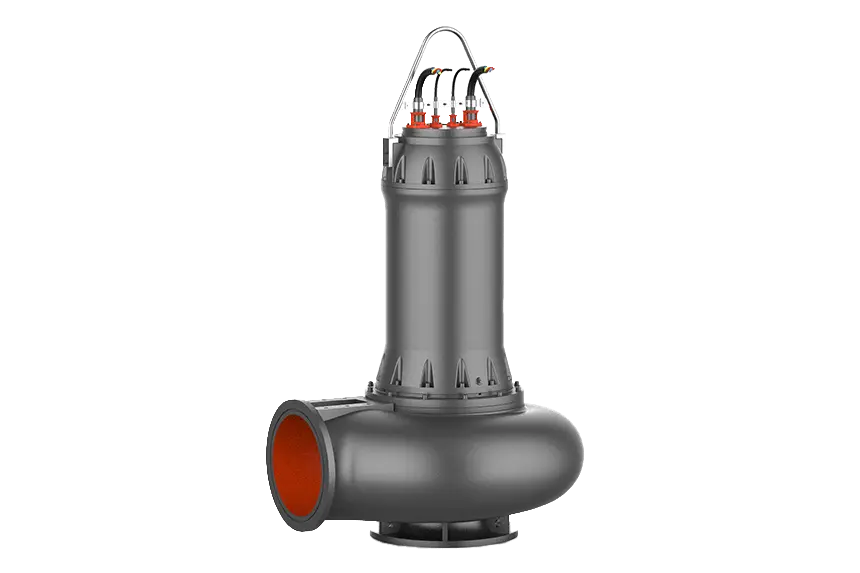
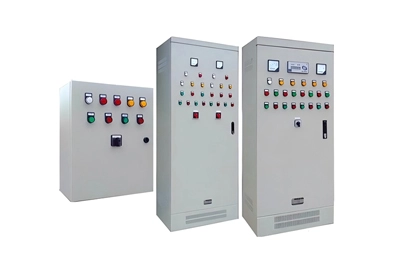
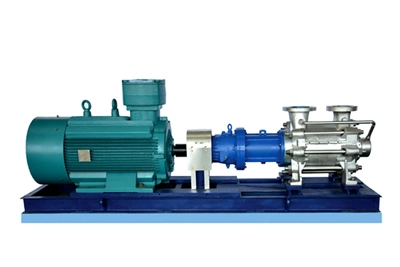
Sump pumps are essential components in many homes, particularly those prone to flooding or with basements that require efficient water management. They are designed to remove water that accumulates in a sump basin, commonly found in the basement of homes. For larger-scale applications, such as commercial buildings or industrial facilities, industrial vertical sump pumps provide the high-capacity, durable solution required. Proper installation and maintenance of sump pumps can prevent water damage, mold growth, and structural problems. This article covers different types of sump pumps, step-by-step installation processes, testing methods to ensure functionality, cleaning tips for longevity, and signs indicating a need for replacement. Whether you are considering an electric pump panel for control or looking into industrial pumps for larger applications, this guide will provide valuable insights into maintaining a dry and safe environment.
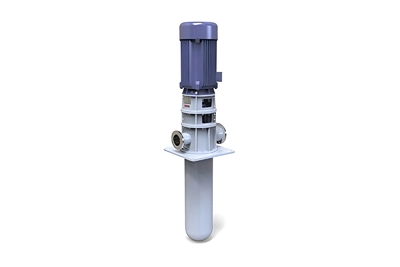
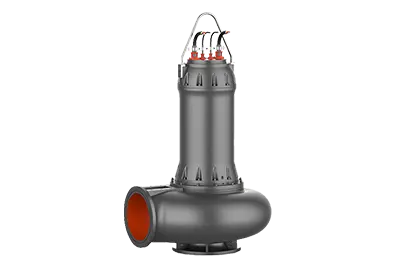
Sump pumps come in various types, each suited for different needs and environments. Understanding these types can help homeowners choose the best option for their specific situation. The primary types include submersible sewage pumps, vertical sump pumps, and electric pumps.
Type | Features | Benefits |
Submersible Sewage Pump | Placed underwater in the sump basin | Efficient and quieter operation |
Vertical Sump Pump | Motor mounted above the basin | Suitable for smaller basins and easy maintenance |
Electric Pump | Operates using electricity with a backup battery option | Reliable with backup power during outages |
Choosing the right type largely depends on individual requirements and the specific conditions of the area. For areas with frequent power cuts, an electric pump with a backup battery or a vertical sump pump may be an ideal solution.
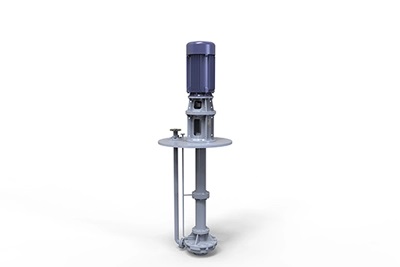
Installing a sump pump correctly ensures maximum efficiency and minimizes future issues. Here is a step-by-step guide to installing a vertical sump pump:
Prepare the Area: Ensure the sump basin is clear of debris and positioned correctly to collect water.
Select the Pump: Choose the appropriate type and size based on water capacity needs and basin size. A vertical sump pump is particularly useful in tight or small basement spaces.
Install the Pump: Place the pump in the basin, ensuring it stands level. Connect the pipe outlet securely.
Connect to Power: Attach the pump to an electrical source. Use a pump control panel if necessary to manage functions.
Seal and Test: Seal all connections with waterproof sealant, and test the pump to ensure it operates correctly.
Following these steps carefully can significantly enhance the performance and longevity of your vertical sump pump.
Regular testing of a sump pump is crucial to ensure readiness, particularly before heavy rainfalls or seasonal changes. Here are some effective methods to test your vertical sump pump or any submersible sewage pump:
Pour Water Test: Simulate flooding by pouring water into the sump basin and observe whether the vertical sump pump activates and drains the water efficiently.
Float Switch Test: Lift the float switch manually (careful not to damage it) to monitor if the vertical sump pump kicks in as expected.
Check Valve Test: Examine the check valve for blockages or unusual noises, indicating trapped air or debris.
These simple tests can help identify potential malfunctions early, ensuring your vertical sump pump works optimally when needed.
Regular cleaning of sump pumps is necessary to maintain functionality and durability. Here's how to clean your vertical sump pump effectively:
Disconnect the Power: Always start by disconnecting the pump from its power source to prevent electric shocks.
Remove the Pump: Carefully remove the pump from the basin, avoiding damage to the float switch or nearby wiring.
Clean the Parts: Use a hose to wash off dirt and debris from the pump, paying special attention to the inlet screen and impeller.
Inspect the Basin: Clean and remove any standing water, dirt, or debris from the sump basin.
Reassemble and Test: Reinstall the pump, then reconnect to power and conduct a test run to ensure everything operates smoothly.
Regular, thorough cleaning extends the life of the vertical sump pump and ensures it functions effectively during critical times.
Even with diligent maintenance, a vertical sump pump will eventually need replacing. It is essential to recognize these signs of wear and inefficiency:
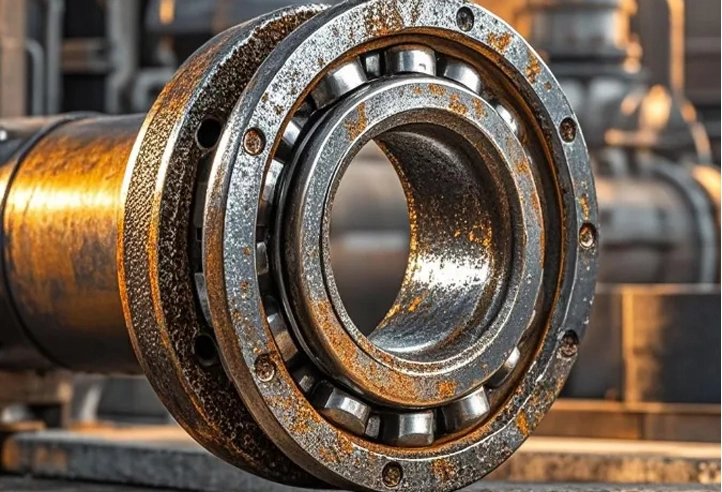
Increased Noise: Unusual or loud noises during operation may indicate motor issues or a need for lubrication.
Frequent Cycling: Consistent cycling when there's minimal water may signify a faulty float switch or an oversized unit.
Reduced Pumping Power: Difficulty in pumping out water efficiently can suggest a worn-out motor or impeller.
Age: Most vertical sump pumps last about 7-10 years; surpassing this age increases the chance of failure.
Recognizing these signs early ensures a preemptive replacement, preventing potential water damage during peak water inflow.
Vertical sump pumps play a crucial role in preventing water-related damage in homes, especially in areas susceptible to flooding. Knowing how to install, test, and maintain your vertical sump pump effectively can save homeowners from costly repairs and ensure peace of mind. Whether you're using a chemical transfer pump for industrial purposes or a basic vertical sump pump for domestic use, understanding these maintenance principles can significantly extend your equipment's service life and improve its performance. Keep these tips in mind to maximize your pump's efficiency and longevity.