English
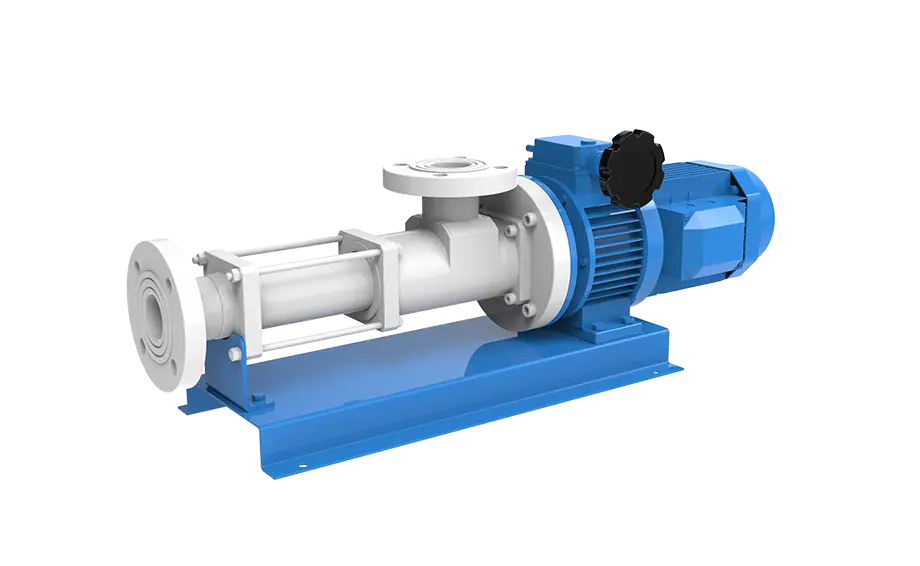
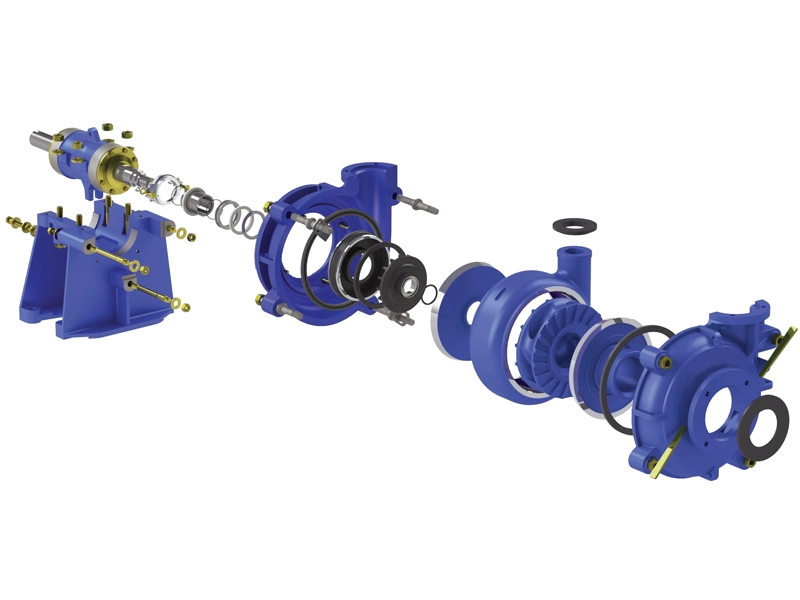
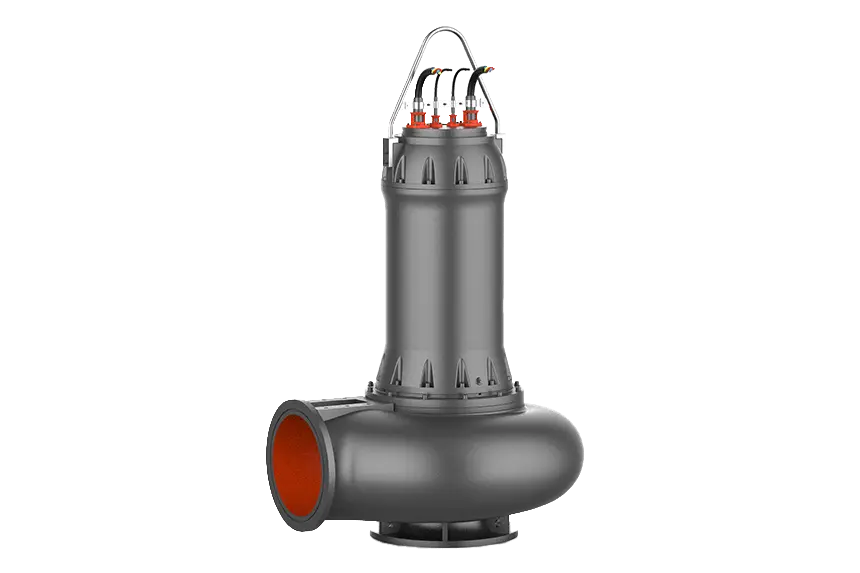
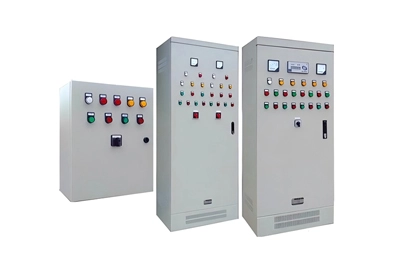
In 2026, industrial plants across power generation, refining, chemical processing, paper manufacturing, steel production, and food processing are operating under stronger pressure than ever to reduce fuel consumption, cut carbon emissions, and improve thermal efficiency without disrupting production continuity. The regulatory environment is tightening, energy costs remain elevated, and corporate sustainability commitments are translating into measurable carbon reduction targets that plant engineers and energy managers must demonstrate progress against. In this context, steam system optimization — and specifically condensate recovery — has moved from a maintenance consideration to a strategic energy management priority.
The commercial logic of condensate recovery is straightforward: hot condensate is not waste. It is already heated, chemically treated, and ready to be returned to the boiler feedwater system — carrying sensible heat that represents a meaningful fraction of the original steam energy input. When condensate is discharged rather than recovered, that heat energy is lost, cold make-up water must be heated from ambient temperature, additional chemical treatment is required, and boiler fuel consumption increases unnecessarily. Industry guidance consistently identifies increasing condensate return as one of the most cost-effective ways to improve steam system efficiency — with potential boiler fuel savings of 10 to 20 percent depending on the recovery rate and system conditions.
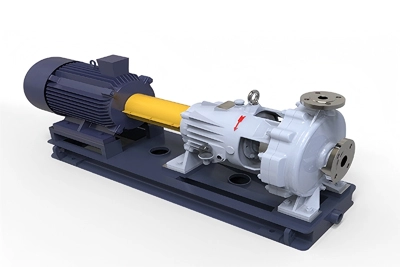
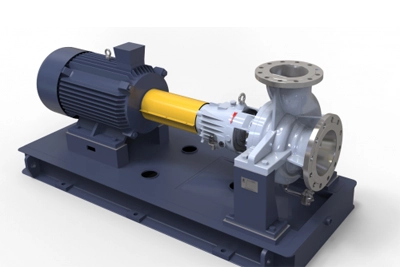
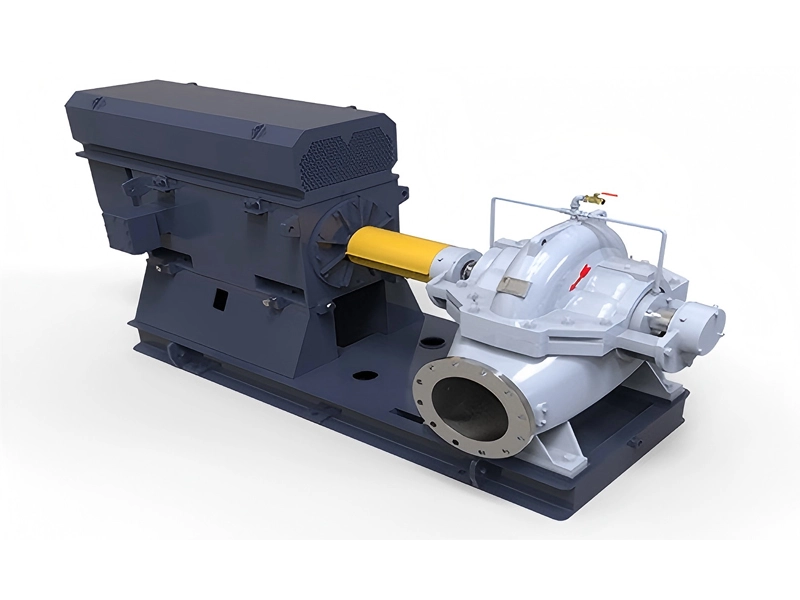
But the condensate recovery system is only as reliable as the pump moving the hot condensate back to the boiler feedwater system. A condensate pump operating in high-temperature service faces demanding conditions — hot liquid close to its vaporization point, cavitation risk, backpressure from the return system, and the continuous-duty reliability requirements of industrial process operations. Lubor's API 610 OH1 end suction process pump is designed for exactly these demanding conditions — a single-stage centrifugal pump built to API 610 OH1, ANSI B73.1M, and ISO 5199 standards, with temperature capability up to 260°C / 520°F, capacity up to 2000 m³/h, and application coverage across refineries, chemical plants, power plants, paper mills, steel plants, food processing, and pharmaceutical production. This guide covers the complete picture for plant engineers, energy managers, and procurement teams evaluating condensate pump options for steam recovery system upgrades: why wasted condensate hurts steam system efficiency, what a condensate return pump does and where it fits in the recovery system, how API 610 OH1 design addresses the cavitation and reliability challenges of hot condensate service, how to select the right pump for specific condensate recovery scenarios, and what implementation and maintenance practices protect pump reliability and energy-saving performance over the system's service life. Secondary keywords relevant to this decision — steam system efficiency, hot water recovery, industrial energy saving, and energy-efficient condensate pump solutions for large-scale industrial plants — are addressed throughout.
The business case for investing in high-performance condensate pump technology starts with a clear understanding of why condensate waste creates energy losses that are both significant in magnitude and practically correctable through the right recovery system design and pump selection.
Hot condensate leaving a steam trap or heat exchanger carries substantial sensible heat — the thermal energy stored in the hot water that represents a meaningful fraction of the original steam energy input. Industry sources note that condensate can account for approximately 10 to 30 percent of the initial heat energy in steam, and that efficient recovery may reduce boiler fuel needs by up to 10 to 20 percent. For a large industrial plant with significant steam consumption, this represents a substantial annual fuel cost saving that can justify condensate recovery system investment with a relatively short payback period.
Beyond the direct fuel saving, condensate recovery delivers additional economic benefits that compound the total value. Recovered condensate is already chemically treated — returning it to the boiler feedwater system reduces the volume of cold make-up water that must be treated, reducing chemical consumption and treatment cost. Recovered condensate is already hot — returning it to the deaerator or feedwater tank at elevated temperature reduces the thermal load on the boiler, improving thermal efficiency and reducing the risk of thermal shock from cold make-up water injection. And reduced make-up water demand reduces blowdown requirements, further improving overall steam system efficiency.
The energy-saving potential of condensate recovery is only realized if the condensate pump can move hot condensate reliably and continuously under the operating conditions of the specific recovery system. A pump that is incorrectly selected for the temperature, flow rate, head, and NPSH conditions of the condensate service will suffer from cavitation, seal failure, vibration, and unplanned downtime — creating maintenance costs and production disruptions that erode the energy-saving value of the recovery system. For large-scale industrial plants where condensate recovery is a continuous-duty operation, pump reliability is not a secondary consideration — it is the foundation on which the energy-saving investment depends.
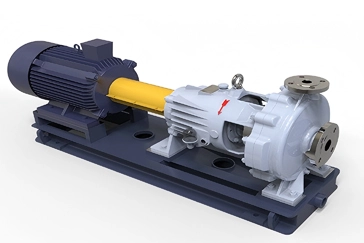
Understanding what a condensate pump is — and how it functions within the complete steam condensate recovery loop — is essential context for evaluating pump selection options for industrial steam system efficiency improvement.
A condensate pump is a pump used to transfer hot condensate from steam users, condensate tanks, receivers, or collection points back to a boiler feedwater tank, deaerator, heat recovery unit, or return header. In a steam system where gravity return or steam trap pressure is insufficient to overcome the backpressure of the return system, a condensate return pump provides the pressure differential needed to move recovered condensate back to the boiler feedwater system continuously and reliably.
The condensate pump is not simply a water transfer pump — it is a critical component in the thermal efficiency loop of the steam system. Its reliability directly determines the continuity of condensate return, the stability of boiler feedwater temperature, and the consistency of the energy-saving benefit that condensate recovery provides.
| System Stage | Function | Energy Efficiency Contribution |
|---|---|---|
| Boiler steam generation | Produces steam for process heating | Primary energy input |
| Steam distribution and use | Heat transferred to process equipment | Steam condenses into hot condensate |
| Steam trap and condensate collection | Condensate gathered from return lines | Prevents energy waste and water loss |
| Condensate receiver | Collects and buffers condensate flow | Stabilizes pump suction conditions |
| Condensate pump transfer | Pump returns condensate to recovery point | Enables continuous hot water recovery |
| Deaerator and feedwater tank | Hot condensate reduces make-up water demand | Improves thermal efficiency |
| Boiler feedwater reuse | Reduced heating load on boiler | Reduces fuel consumption and carbon emissions |
Lubor's OH1 type end suction process pump is positioned for industries including refineries, chemical plants, petroleum operations, power plants, paper mills, pharmaceutical production, steel plants, food processing, and pipeline pressurization — the same industries that operate large steam systems where condensate recovery can contribute significantly to plant-wide energy efficiency and carbon reduction targets.
The technical mechanism by which API 610 OH1 pump design addresses the specific challenges of hot condensate service — and why cavitation prevention is the most critical engineering consideration in condensate pump selection — is the core technical knowledge that plant engineers need to specify condensate pumps correctly for demanding industrial steam recovery applications.
Hot condensate is fundamentally different from cold water as a pumping medium — and the difference is not simply temperature. Hot condensate is liquid water at or near its saturation temperature, meaning that it is very close to its vaporization point at the operating pressure. Any reduction in pressure at the pump inlet — caused by suction lift, inlet pipe friction losses, or flow acceleration into the impeller — can cause the liquid to flash to vapor, creating the cavitation condition that is the most common and most damaging failure mode in condensate pump service.
Cavitation in a condensate pump creates a cascade of damaging effects: vapor bubbles form in the low-pressure zone at the impeller inlet and then collapse violently as they move into the higher-pressure zone of the impeller — generating shock waves that erode the impeller surface, create noise and vibration, reduce pump efficiency, damage mechanical seals and bearings, and ultimately cause premature pump failure. In a continuous-duty condensate recovery system, cavitation-related pump failure creates both direct maintenance costs and indirect energy losses from condensate recovery system downtime.
Lubor's OH1 pump uses a radial casing design with open, semi-open, or closed impeller options — providing the flexibility to match impeller geometry to the specific condensate service conditions. The published specifications include capacity up to 2000 m³/h, head up to 250 m, pressure up to 25 bar, and temperature capability up to 260°C / 520°F — a temperature range that covers the full spectrum of industrial condensate service conditions, from low-pressure steam systems to high-pressure process steam applications.
The API 610 standard that the OH1 pump is built to provides a framework of engineering requirements — for hydraulic performance, mechanical design, materials, sealing systems, and testing — that is specifically developed for demanding process pump applications where reliability, safety, and maintainability are critical. For condensate service in large industrial plants, the API 610 standard provides a higher level of engineering assurance than general industrial pump standards — supporting the continuous-duty reliability that condensate recovery systems require.
Cavitation prevention in condensate pump service requires a systems engineering approach that addresses every factor contributing to the pressure margin at the pump inlet:
NPSH margin — the difference between the net positive suction head available from the system and the net positive suction head required by the pump — must be adequate for the specific condensate temperature and system layout. For hot condensate service, the NPSH available is reduced by the proximity of the liquid to its vapor pressure, making NPSH calculation a critical step in pump selection.
Suction pipe design must minimize friction losses and flow velocity in the suction line — every pressure drop between the condensate receiver and the pump inlet reduces the NPSH available and increases cavitation risk.
Condensate receiver level control must maintain adequate liquid level above the pump suction to provide the static head that contributes to NPSH available — a receiver that runs too low creates suction conditions that promote cavitation.
Operating point selection must keep the pump operating near its best efficiency point — operating far from the best efficiency point increases internal recirculation and turbulence that can trigger cavitation even when NPSH conditions appear adequate.
The selection of the right condensate pump for a specific industrial steam recovery application involves evaluating the reliability requirements, temperature capability, standard compliance, and total cost of ownership of the available options — and understanding where API 610 OH1 process pump technology provides advantages over general industrial pump alternatives.
| Selection Factor | General Industrial Pump | Lubor API 610 OH1 Process Pump |
|---|---|---|
| Design standard | Basic pumping requirement | API 610 / ANSI B73.1M / ISO 5199 process reliability |
| Temperature capability | Depends on model — often limited | Up to 260°C / 520°F |
| Reliability expectation | Moderate — suitable for light-duty service | Higher — designed for continuous process duty |
| Impeller options | Limited in many designs | Open, semi-open, or closed options |
| Capacity range | Typically limited | Up to 2000 m³/h |
| Head range | Typically limited | Up to 250 m |
| Seal and flushing system | Basic | Engineered seal plans for process service |
| Documentation | Basic | API 610 documentation package available |
| Best condensate application | Small, low-temperature systems | Large-scale industrial plants, high-temperature service |
| Maintenance program fit | Basic | Better suited for engineered maintenance programs |
| Condensate Recovery Scenario | Key Pump Requirement | Recommended Direction |
|---|---|---|
| Low-pressure, low-temperature condensate | Moderate head, stable flow | Standard condensate return pump |
| High-temperature condensate above 100°C | Temperature-compatible design, NPSH review | API 610 OH1 process pump |
| Long return lines with high backpressure | Higher head, stable performance at operating point | OH1 with correct system curve matching |
| Corrosive or contaminated condensate | Material and seal compatibility | Engineered API 610 OH1 selection |
| Large-scale plant continuous-duty recovery | Reliability, capacity, maintainability | Energy-efficient condensate pump solutions for large-scale industrial plants |
| Power plant, refinery, or chemical plant | Higher reliability and documentation requirements | API 610 OH1 process pump package |
Energy-efficient condensate pump solutions for large-scale industrial plants deliver the most value in: power plants where steam system efficiency directly affects generation cost and carbon intensity, refineries and petrochemical plants where large steam systems create significant condensate recovery opportunities, chemical processing facilities where condensate quality and recovery reliability are both critical, paper mills where steam is a primary process energy input and condensate recovery is a major efficiency lever, steel plants where high-temperature steam systems generate large volumes of recoverable condensate, and food and beverage and pharmaceutical plants where condensate quality and system reliability are both important.
Implementing a high-performance condensate pump system for industrial steam recovery requires systematic pre-selection evaluation of both pump performance requirements and system design conditions — and ongoing maintenance practices that protect pump reliability and energy-saving performance over the system's service life.
Before selecting a condensate pump for an industrial steam recovery application, buyers should confirm the following:
Confirm the condensate temperature at the pump inlet — this is the most critical parameter for cavitation risk assessment and determines the NPSH available calculation
Confirm the required flow rate and peak return rate — size the pump for the maximum expected condensate return rate with adequate margin for system variations
Confirm the required head — calculate the total head required to overcome the return system backpressure, pipe friction losses, and elevation difference between the condensate receiver and the return point
Confirm the NPSH available from the system layout — calculate NPSH available based on condensate receiver level, suction pipe friction losses, and condensate temperature, and verify that it exceeds the pump NPSH required with adequate margin
Confirm the suction pipe layout — minimize suction pipe length, fittings, and restrictions to maximize NPSH available
Confirm the impeller type recommendation — open, semi-open, or closed — based on condensate cleanliness and the specific hydraulic requirements of the application
Confirm the mechanical seal plan and flushing system — select a seal plan appropriate for the condensate temperature, pressure, and chemistry
Confirm the material specification — verify that pump casing, impeller, and seal materials are compatible with the condensate chemistry and temperature
Confirm the motor selection and whether a variable frequency drive is recommended for flow control and energy optimization
Confirm the documentation requirements — API 610 documentation package, test reports, material certificates, and dimensional drawings for the project
Confirm spare parts availability and maintenance support — verify that critical spare parts are available and that the supplier can provide technical support for commissioning and maintenance
Monitor suction pressure and discharge pressure continuously — pressure trends provide early warning of cavitation, suction strainer blockage, and impeller wear
Listen and monitor for cavitation noise — a crackling or rattling sound from the pump is an early indicator of cavitation that should be investigated immediately before impeller damage occurs
Maintain correct condensate receiver level — low receiver level is one of the most common causes of cavitation in condensate pump service
Inspect mechanical seals for leakage at regular maintenance intervals — seal leakage in hot condensate service creates both safety risk and energy loss
Keep suction strainers clean — a blocked strainer increases suction pipe pressure drop and reduces NPSH available, increasing cavitation risk
Verify pump alignment after installation and after any maintenance that involves removing the pump from its baseplate — misalignment creates vibration and bearing stress that accelerates wear
Monitor bearing temperature — elevated bearing temperature is an early indicator of lubrication problems, misalignment, or overloading
Check motor current and compare with the design operating point — current significantly above or below the design value indicates that the pump is operating away from its best efficiency point
Review pump operation against the system curve periodically — steam system changes, pipe modifications, and equipment additions can shift the system curve and move the pump operating point away from its design condition
Maintain maintenance logs for energy and reliability audits — documented pump performance data supports both maintenance planning and carbon reduction reporting
In 2026, condensate recovery is one of the most direct and cost-effective ways for industrial plants to improve steam system efficiency, reduce boiler fuel consumption, and demonstrate measurable progress toward carbon reduction targets. But the energy-saving potential of condensate recovery is only realized when the condensate pump can move hot condensate reliably and continuously under the demanding conditions of industrial process service — high temperature, cavitation risk, continuous duty, and the reliability expectations of large-scale plant operations.
Lubor's API 610 OH1 end suction process pump offers an engineered solution for demanding industrial condensate service — with high-temperature capability up to 260°C / 520°F, broad capacity and head range, multiple impeller options, API 610 standard compliance, and application coverage across power, refining, chemical, paper, steel, food processing, and pharmaceutical industries.
Contact Lubor Pump today to discuss your condensate recovery system requirements — condensate temperature, return flow rate, required head, NPSH conditions, seal plan, material specification, and energy-saving targets. Lubor can help evaluate energy-efficient condensate pump solutions for large-scale industrial plants and recommend the right API 610 OH1 pump configuration for your specific steam recovery application.
Q1: What is a condensate pump and what role does it play in steam system efficiency?
A condensate pump transfers hot condensate from steam users, condensate tanks, or return points back to a boiler feedwater system, deaerator, or heat recovery unit. It plays a critical role in steam system efficiency by enabling continuous hot water recovery — returning already-heated, chemically treated condensate to the boiler feedwater system rather than discharging it, reducing boiler fuel consumption, make-up water demand, and chemical treatment cost.
Q2: Why is cavitation a particular concern in condensate pump service?
Hot condensate is liquid water close to its saturation temperature — very near its vaporization point at the operating pressure. Any pressure reduction at the pump inlet can cause the liquid to flash to vapor, creating cavitation that erodes the impeller, damages seals and bearings, reduces pump efficiency, and causes premature failure. Cavitation prevention requires careful NPSH calculation, suction pipe design, receiver level control, and operating point selection.
Q3: What makes API 610 OH1 pump design suitable for high-temperature condensate service?
API 610 OH1 is a process pump standard developed for demanding industrial applications. Lubor's OH1 pump supports temperatures up to 260°C / 520°F, offers open, semi-open, or closed impeller options, provides capacity up to 2000 m³/h and head up to 250 m, and is built to API 610 / ANSI B73.1M / ISO 5199 standards — providing the engineering assurance, temperature capability, and reliability that large-scale industrial condensate service requires.
Q4: How much energy can condensate recovery save in an industrial steam system?
<p style="margin: 0px 1em 1rem; padding: 0px; color: rgb(31, 35, 40); font-family: -apple-system, BlinkMacSystemFont, "Segoe UI", "Noto Sans", Helvetica, Arial, sans-serif, "Apple Color Emoji"